Multi-TenantSubscription BillingCloud-Native
Mainland-licensed business based in Dubai, UAE

SaaS Development Dubai — MVP to Scale

Transform your software idea into a scalable, subscription-based SaaS product. We build multi-tenant platforms with automated billing, cloud infrastructure, user management, and enterprise security built in. From MVP launch to scaling to millions of users—we handle the full SaaS development lifecycle.

Get Free Consultation
Atlio service illustration
SaaS Platform Capabilities

Everything you need to launch and scale

We build SaaS platforms with multi-tenancy, subscription billing, user management, analytics, APIs, and cloud infrastructure.

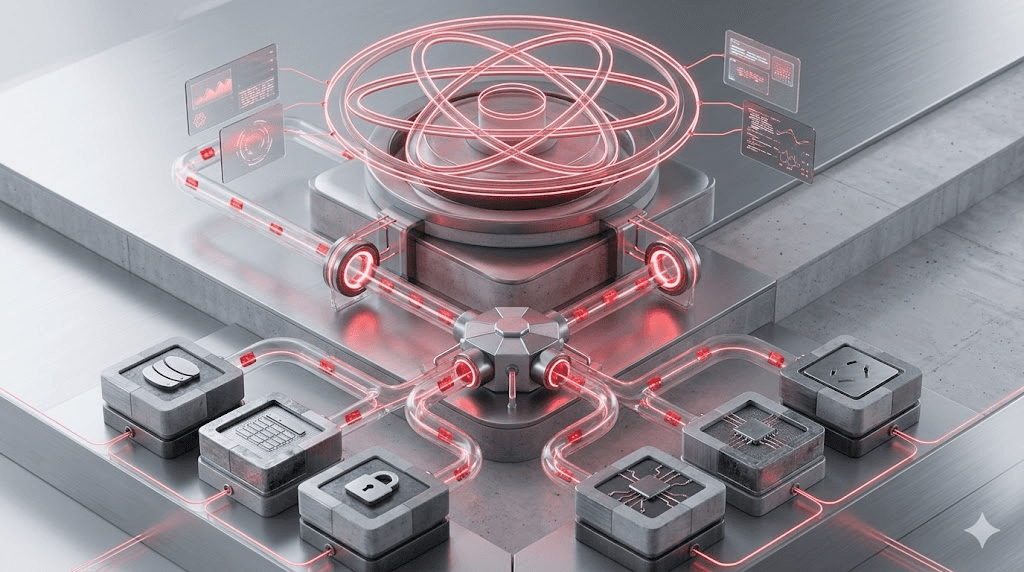
Multi-Tenant Architecture

Multi-Tenant Architecture

Build SaaS products that serve multiple customers with complete data isolation, per-tenant customization, and scalable infrastructure.

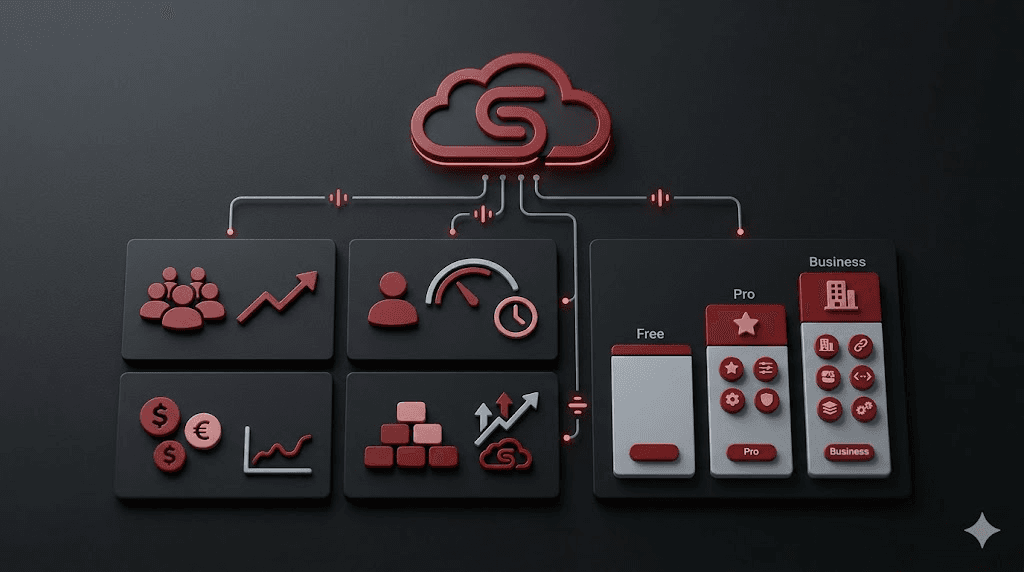
Subscription & Billing Management

Subscription & Billing Management

Automated subscription management, tiered pricing models, recurring billing, invoice generation, and revenue recognition for SaaS businesses.

User Management & Permissions

User Management & Permissions

Role-based access controls, team management, user provisioning, single sign-on (SSO), and permission hierarchies for enterprise customers.

Analytics & Usage Tracking

Analytics & Usage Tracking

Track feature usage, monitor customer engagement, identify churn risks, and gather insights to improve product and retention.
API-First Architecture

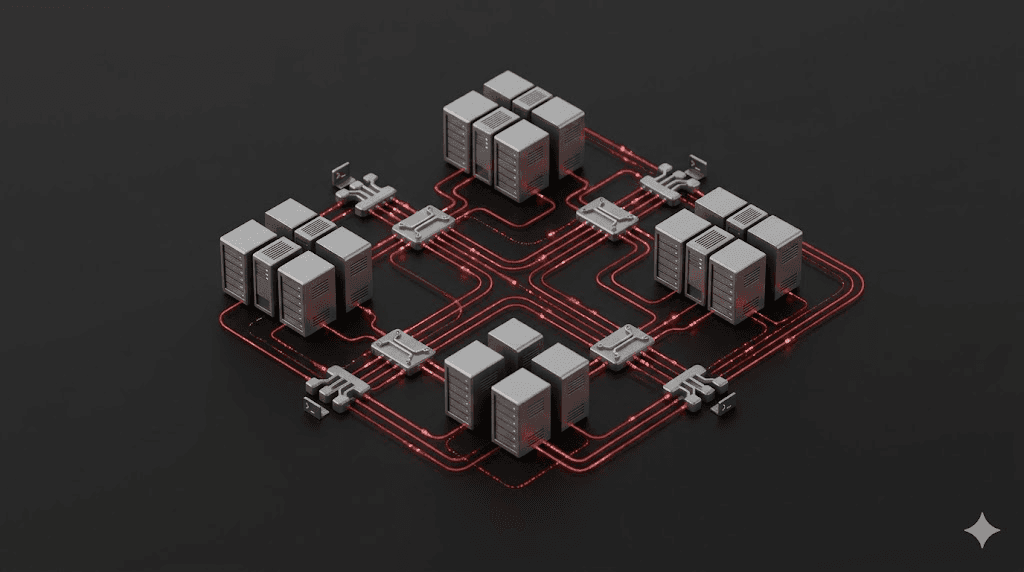
API-First Architecture

Build RESTful or GraphQL APIs for third-party integrations, mobile apps, and extending your SaaS platform with partner integrations.
Deployment & Scaling

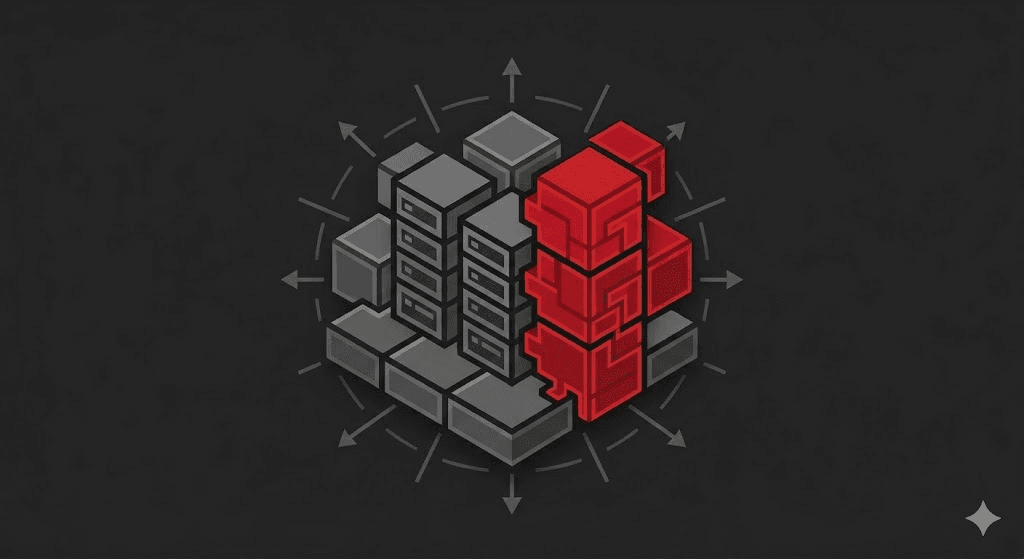
Deployment & Scaling

Cloud-native architecture on AWS, Google Cloud, or Azure that scales automatically with user demand and handles millions of concurrent users.

Common Challenges

Are you struggling with...

Building SaaS is complex

You need multi-tenancy, billing, user management, security, and cloud infrastructure—many components that are easy to get wrong.

Time-to-market is critical

Every week you delay launching your SaaS product is a week your competitors get ahead. You need to move fast without sacrificing quality.

Scaling breaks poorly-built systems

A SaaS system that works for 10 users falls apart at 1,000 users. You need scalable, reliable architecture from the start.

Security and compliance concerns

Customers want to know their data is secure, encrypted, and compliant with regulations. Building trust requires proven security practices.

You are not alone. We help UAE businesses solve these exact challenges every day.

Related Services

SaaS Success Requires Full-Stack Development

Your SaaS product needs more than just code: it needs cloud infrastructure, DevOps, integrations, and ongoing optimization. See how our related services support your SaaS product.

Custom Software Development

Beyond SaaS: custom business applications, enterprise software, and specialized solutions.

SaaS Services We Deliver

From MVP to enterprise-scale platform

Whether you're launching your first SaaS product or scaling an existing platform, we provide end-to-end development and support.

SaaS Platform Development

SaaS Platform Development

Build scalable, multi-tenant SaaS products from the ground up with subscription billing, user management, and cloud infrastructure.
SaaS MVP & Rapid Prototyping

SaaS MVP & Rapid Prototyping

Launch a minimum viable product quickly to validate your SaaS idea with customers, then iterate based on feedback.
SaaS Infrastructure & DevOps

SaaS Infrastructure & DevOps

Set up cloud infrastructure (AWS, GCP, Azure), CI/CD pipelines, monitoring, security, backups, and disaster recovery for production SaaS.
Payment Gateway Integration

Payment Gateway Integration

Integrate Stripe, PayPal, or other payment processors. Handle subscriptions, invoicing, refunds, and regulatory compliance (PCI-DSS, GDPR).
SaaS Maintenance & Feature Development

SaaS Maintenance & Feature Development

Ongoing support, bug fixes, feature roadmap execution, and performance optimization as your SaaS product scales.
SaaS Development Areas

Product, billing, operations, and security

SaaS development spans product architecture, billing systems, user experience, and operational compliance. Here's how we approach each area.

Multi-Tenant Design

Isolate customer data completely while sharing infrastructure for cost efficiency.

Database Strategy

Design database schemas for multi-tenancy: shared tables with tenant_id, or separate databases per customer.

Feature Isolation

Enable/disable features per customer tier without deploying new code versions.

50+

Clients Served

100+

Projects Delivered

6+

Years in Business

30%

Cost Reduction

Trusted by businesses across the UAE

Teammate App
Alhayat
Gulf Global Commerce
Sky NZ
Mixup
Kaizen Consulting
Eventfinda
Industries We Build SaaS For

SaaS solutions across every sector

From project management and healthcare to real estate and logistics—we build SaaS products tailored to any industry.

Project Management & Productivity

SaaS tools for task management, collaboration, time tracking, and project delivery for teams and agencies.

Healthcare & Medical Practice Management

SaaS for appointment scheduling, patient records, telemedicine, billing, and healthcare provider management.

Real Estate & Property Management

SaaS for property listings, tenant management, lease tracking, maintenance requests, and property analytics.

Logistics & Fleet Management

SaaS for route optimization, fleet tracking, driver management, and supply chain visibility.

HR & Recruitment

SaaS for applicant tracking, HR management, payroll processing, and employee engagement.

Business Intelligence & Analytics

SaaS for data visualization, business analytics, and reporting for enterprises and SMEs.

Why Choose Atlio for SaaS Development

We build scalable SaaS platforms with full-stack expertise: product architecture, billing, cloud infrastructure, and DevOps.

We've built scalable, multi-tenant SaaS platforms. We understand the complexities: data isolation, performance at scale, and per-customer customization.

Multi-Tenant Expertise
Our SaaS Development Process

From product vision to scaling millions of users

We follow a structured methodology: define your product vision, design scalable architecture, build your MVP, launch, then support growth.

1
Product Strategy & Requirements

Product Strategy & Requirements

Define your SaaS product vision, target market, pricing model, and must-have features for MVP launch.

2
Architecture & Technology Selection

Architecture & Technology Selection

Design multi-tenant architecture, select cloud provider, choose technology stack, and plan for scalability from day one.

3
MVP Development & Launch

MVP Development & Launch

Build your SaaS MVP with core features, set up cloud infrastructure, integrate billing, and launch to early customers.

4
Scale, Iterate & Optimize

Scale, Iterate & Optimize

Monitor usage, gather customer feedback, add features, optimize performance, and scale infrastructure as your user base grows.

Why Startups & Enterprises Choose Atlio for SaaS

Standards we operate by

SaaS requires expertise across full-stack development, cloud infrastructure, security, and scaling. We bring all of that together.

01

Mainland-Licensed Dubai Delivery

Local team in Dubai with proven SaaS development expertise and experience serving regional customers.

02

Scalable Cloud Architecture

Built on AWS, Google Cloud, or Azure with auto-scaling, load balancing, and infrastructure that grows with your customers.

03

Automated Testing & Deployment

CI/CD pipelines, automated testing, and continuous deployment for reliable, fast feature releases.

04

Security & Compliance First

Built-in security, data encryption, compliance frameworks (GDPR, CCPA, SOC 2), and audit logging from day one.

05

Subscription & Payment Ready

Integrated billing, subscription management, payment processing, and revenue tracking for your SaaS business model.

06

Ongoing Support & Scaling

Dedicated support for bug fixes, performance optimization, feature development, and scaling as your SaaS user base grows.

Testimonials

What Our Clients Say

Atlio built our entire platform—web portal, mobile app, and AI-powered features. We launched on time, got to market fast, and scaled without issues. Having one team own the full stack end-to-end made all the difference.

Launched on time, scaled without issues

Darren N. testimonial

Darren N.

Teammate App

What started as a focused engagement evolved into an ongoing partnership. They delivered consistently and adapted as we evolved, ultimately more valuable than the initial delivery.

Built lasting trust through consistent delivery and ongoing commitment

Minu D. testimonial

Minu D.

Sky NZ

They built us a custom inventory and order management system that connects our warehouses across the UAE. Clean interface, works on mobile, and our team actually uses it. Exactly what we needed.

Custom system connecting UAE warehouses

Fatima K. testimonial

Fatima K.

Gulf Global Commerce

They developed a B2B portal where our retailers can place orders, check product availability, and track deliveries. Reduced phone calls to our office significantly and our customers prefer it.

94% on-time delivery, retailers prefer the portal

Shobair H. testimonial

Shobair H.

Alhayat

Our ERP and accounting were a mess of manual workarounds. They built an integration that automated the whole thing. Team saves hours every week now.

Saved 20+ hours per week

David C. testimonial

David C.

Mixup

We've been working with them for over 4 years, they handle our internal systems and support our enterprise clients. Reliable, easy to work with, and they just get things done.

4 years of reliable service

Sarah K. testimonial

Sarah K.

Kaizen Consulting

How We Build Your SaaS Product

We strategize your product vision, design scalable architecture, develop your MVP, launch with confidence, then scale reliably as your user base grows.

Discover & Prototyping

We shape brands through exploration, applying in-depth research to challenge assumptions at every turn. We'll also create a prototype suitable for computers and mobile devices.

Design & Build

Using your feedback on the prototype, we will make any changes before starting the code development work. We use an agile development model with ongoing reviews and iterations.

Deliver

Ongoing testing is critical to agile development to get to the code refinement stage. We then implement the software application and provide your team with training and support.

SaaS Development: Decisions That Are Cheap Now and Expensive Later

A SaaS product is a different animal from custom software, and the differences are all architectural. Multi-tenancy, subscription billing, usage metering, tenant-level security, self-service onboarding—none of these can be bolted on convincingly after launch. The companies that scale smoothly are the ones whose earliest technical decisions assumed success; the ones that struggle are usually rewriting a single-customer codebase under load. Our job as a SaaS development company is to make those day-one decisions correctly while still shipping an MVP fast.

Product team reviewing a grey SaaS analytics dashboard with subscription growth charts and one red metric tile

The pillars we build into every SaaS product

Every SaaS product we build rests on four pillars: multi-tenant architecture with hard data isolation, subscription billing engineered as a core feature, security and compliance from the first commit, and product metrics wired in from launch. Getting these day-one decisions right is what lets a platform scale by configuration rather than a costly rewrite.

  • Multi-tenant architecture done properly. Shared infrastructure with hard data isolation per customer—the design choice that keeps hosting costs flat while your customer count climbs, without ever risking cross-tenant leaks.
  • Billing as a feature, not an afterthought. Stripe-powered subscriptions with upgrades, downgrades, trials, dunning, and invoicing handled cleanly—because revenue plumbing failures are the most expensive bugs a SaaS can have.
  • Security and compliance from the first commit. Encryption at rest and in transit, role-based access, audit logs, and GDPR/PDPL-conscious data handling—the checklist enterprise customers will send you anyway.
  • Metrics wired in. Activation, retention, churn, and MRR visible from launch, because a SaaS business is managed by its numbers.

MVP first, scale second—in the same codebase

The tension in every SaaS project is speed versus foundations. Resolve it in either direction fully and you lose: over-engineer and a competitor validates the market before you launch; under-engineer and success breaks you. Our approach is a deliberately narrow MVP—one core workflow, real billing, real tenancy—on an architecture that scales by configuration rather than rewrite. Launch in months, learn from paying customers, and extend the same codebase as revenue grows.

What shapes a SaaS project's scope

Core-workflow complexity, tenancy model (team accounts, roles, permissions), billing sophistication (plans, usage metering, trials), integration surface, and compliance requirements for your target customers. A focused B2B SaaS MVP ships in roughly four to six months including billing and onboarding. The free consultation ends with a fixed written proposal—and an honest read on whether your idea needs full SaaS plumbing or a leaner validation build first.

The 2026 SaaS stack: usage-based billing and AI-native features

Two shifts define SaaS built in 2026. The first is billing: flat per-seat pricing is giving way to usage-based and hybrid models—seats plus metered consumption—so metering, entitlements, and real-time usage caps have to be first-class parts of the architecture rather than reporting add-ons. The second is AI-native features—copilots, natural-language search, and automated workflows—which change how you handle data pipelines, per-tenant model context, and the cost accounting of AI usage passed on to customers. We build both in from the start, and because most SaaS products live or die on their integrations, we treat a clean public API as core—see our API integration work for how third-party services and partner integrations plug into a platform.

Founding and running a SaaS from the UAE

The UAE is a strong base for a SaaS company, and the practical details matter. On licensing, founders typically choose a mainland licence or a tech free zone such as Dubai Internet City, DTEC, or Hub71 in Abu Dhabi—each with different ownership, visa, and cost trade-offs. On payments, recurring subscription billing is well served: Stripe is available to UAE-licensed companies, with Telr, Checkout.com, and PayTabs as strong regional options for AED card billing alongside international cards for global customers. On tax, SaaS subscriptions supplied within the UAE generally carry 5% VAT, so compliant invoicing and the export zero-rating rules need to live inside your billing logic from launch. We wire this regional reality into the product rather than patching it on later.

How SaaS engagements are priced

SaaS budgeting works in two parts. The build: a focused MVP with one core workflow, real multi-tenancy, and live subscription billing typically starts from around AED 40,000, scoped MVP-first so you can launch and start learning from paying customers quickly. The run: a monthly growth retainer covering feature development, performance work, security, and infrastructure as your user base scales—usage-based, so it grows with your revenue rather than starting large. The structural advantage of SaaS is that you build once and revenue compounds per customer, so we optimise scope around time-to-first-paying-customer. A free consultation ends with a fixed written proposal for your build. If you need a sales and customer layer alongside the product, our CRM development team plugs in, and custom software development covers anything beyond the SaaS core.

Case study: a multi-ISO compliance SaaS

One example of this approach in production is TeammateApp, a compliance SaaS we built to unify inspections, documents, and incident reporting across multiple ISO standards (9001, 14001, 45001, 27001, and 22000). What had been fragmented across spreadsheets and disconnected tools became a single mobile-first platform with AI-driven automation, deployed to iOS, Android, and web—now with 50,000+ downloads while maintaining ISO 27001 certification throughout. Read the full TeammateApp case study for the detail.

Frequently Asked Questions

What is the difference between building custom software and a SaaS product?
Custom software is built for one customer. SaaS is built to serve many customers on a subscription basis with complete data isolation, multi-tenancy, billing, and scalable infrastructure. SaaS requires different architecture decisions from day one.
How long does it take to build a SaaS MVP?
A SaaS MVP with core features, user management, basic billing, and cloud deployment typically takes 4-8 months depending on complexity. We can accelerate this by focusing on must-have features and iterating based on early customer feedback.
What is micro SaaS, and is it a realistic path for a small team?
Micro SaaS is a narrow product solving one specific problem for a well-defined niche—often run profitably by a tiny team. It is very realistic, and the constraints are actually advantages: small scope means fast builds, low run costs, and clear positioning. The discipline is the same as any SaaS (multi-tenancy, billing, security) at smaller scale. Several of our MVP engagements are exactly this shape.
How long does it take to reach your first paying customer?
Most of our SaaS clients reach their first paying customers within a few months of kickoff. We ship a deliberately narrow MVP—one core workflow with real billing and tenancy—then run a private beta with design partners, so you are selling and learning from live usage early rather than waiting for a feature-complete v1. Time-to-first-revenue, not feature count, is the metric we optimise MVP scope around.
What does SaaS development cost, and how should I budget for it?
Think in two phases: the MVP build (driven by core-feature complexity, billing and tenancy needs, and integrations) and the monthly run cost (cloud infrastructure, which scales with usage rather than starting large). The structural advantage of SaaS is that you build once and revenue compounds per customer—so the budgeting question is really time-to-first-paying-customer. We scope MVPs ruthlessly to shorten that, and the free consultation ends with a fixed written proposal for the build.
How much does a SaaS MVP cost in Dubai?
A focused SaaS MVP—one core workflow with real multi-tenancy and live subscription billing—typically starts from around AED 40,000, scoped MVP-first so you launch fast and extend in milestones. The main cost drivers are core-feature complexity, your tenancy and permissions model, billing sophistication (plans, trials, usage metering), and the number of integrations. Ongoing cloud infrastructure scales with usage rather than starting large. The free consultation ends with a fixed written proposal for your specific build.
Do you take equity, or work on a fixed price?
We work on a fixed-price basis, not equity. Every engagement begins with a free consultation that ends in a fixed written proposal for the MVP build, followed by a predictable monthly retainer for growth, feature development, and infrastructure as your user base scales. You keep full ownership of your product, code, and IP.
What makes multi-tenant architecture so important for SaaS?
Multi-tenancy allows you to serve many customers on shared infrastructure, dramatically reducing hosting costs. But it requires careful database design, data isolation, and security to ensure customer data is never mixed or exposed.
Should we build a multi-tenant or single-tenant SaaS?
For most SaaS businesses, multi-tenant is the right default: many customers share infrastructure with strict data isolation, which keeps hosting costs flat as you grow. Single-tenant—a dedicated instance per customer—only makes sense when a large enterprise client requires isolated infrastructure for compliance or data-residency reasons. We typically build multi-tenant by default and offer a single-tenant deployment option for enterprise tiers, decided during architecture, because retrofitting either way later is expensive.
How do you handle payments and subscriptions in SaaS?
We integrate payment processors like Stripe or PayPal to handle recurring billing, invoicing, and refunds. We build subscription management features so customers can upgrade, downgrade, or cancel. We also handle tax compliance and revenue recognition.
Can your billing system handle usage-based pricing with dynamic metering?
Yes. Flat per-seat pricing is giving way to usage-based and hybrid models—seats plus metered consumption—so we build metering, entitlements, and real-time usage caps as first-class parts of the billing architecture rather than a reporting add-on bolted on later. That means your product can track consumption per tenant, enforce plan limits in real time, and bill accurately for overages alongside your subscription tiers.
How do you handle tenant-specific feature rollouts without code deployments?
We build feature isolation into the architecture from day one: features are enabled or disabled per customer tier through configuration, not a new code deployment. That lets you roll a new capability out to a beta cohort, gate it behind an Enterprise plan, or roll it back instantly if something breaks—all without redeploying the platform or risking downtime for every other tenant.
What about security and data protection for multi-tenant SaaS?
We implement encryption at rest and in transit, role-based access controls, audit logging, and regular security testing. We ensure compliance with GDPR, CCPA, and other data protection regulations. Security is built in from day one, not bolted on later.
How do UAE VAT and payments work for SaaS subscriptions?
SaaS subscriptions supplied within the UAE are generally subject to 5% VAT, so we build tax handling into billing from the start: correct invoicing, VAT on domestic subscriptions, and the zero-rating logic for qualifying exports. For payment rails you can use Stripe (available to UAE-licensed companies), Telr, Checkout.com, or PayTabs for recurring AED billing, alongside international cards for global customers. We wire subscription management, dunning, and compliant invoicing into the product so revenue operations run cleanly from day one.
Can you help scale a SaaS product once it's launched?
Absolutely. We provide ongoing support for bug fixes, performance optimization, feature development, and infrastructure scaling. As your SaaS user base grows, we help you scale your systems reliably.
Why build a SaaS product from Dubai for regional or global markets?
The UAE is a genuinely good SaaS launchpad: founder-friendly licensing (mainland or free zones like DIC and Hub71), a B2B market underserved by region-aware tools (Arabic interfaces, local payment rails, GCC compliance), and a time zone that bridges Asia and Europe for global support. Many of our SaaS clients validate on UAE and GCC customers—where they have proximity advantage—then expand with infrastructure that was multi-region from day one.

Ready to Transform Your Business?

Book a free 30-minute consultation. We'll discuss your challenges, explore opportunities for automation, and show you exactly how we can help.

© 2026 Atlio All Rights Reserved