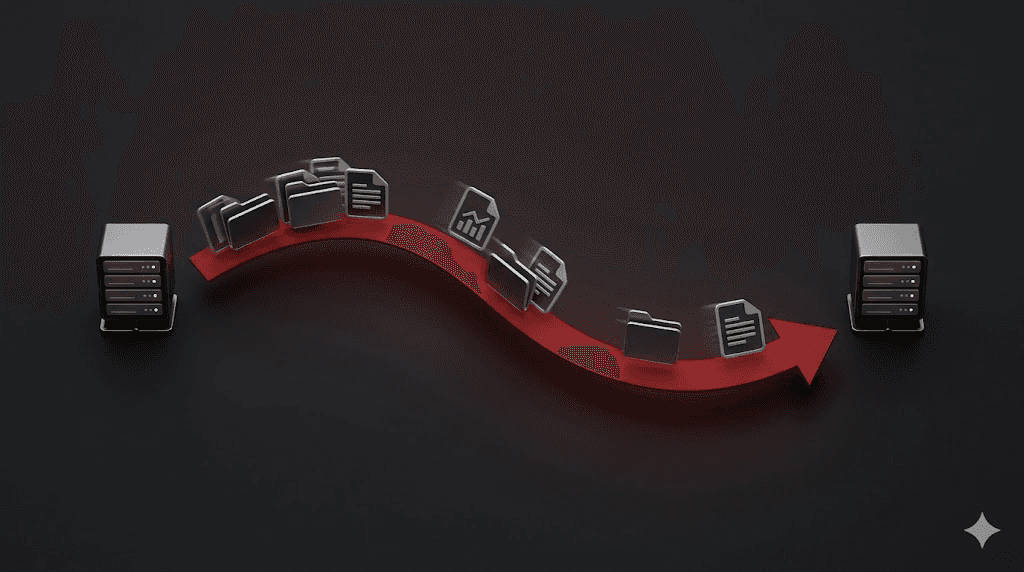
API-FirstMulti-ChannelDecoupled Architecture
Mainland-licensed business based in Dubai, UAE

Headless CMS Development Dubai

Stop being limited by traditional CMS platforms. We build API-first, headless CMS solutions that separate content from presentation. Manage your content once, deliver it everywhere: web, mobile apps, email, social media—any channel you need. Future-proof architecture, better performance, and ultimate flexibility.

Get Free Consultation
Atlio service illustration
Headless CMS Capabilities

API-first content management

We build headless CMS solutions with flexible content models, REST/GraphQL APIs, and multi-channel delivery.

Content Management API

Content Management API

Manage content once in your CMS, deliver it everywhere: web, mobile apps, digital displays, and third-party platforms via APIs.
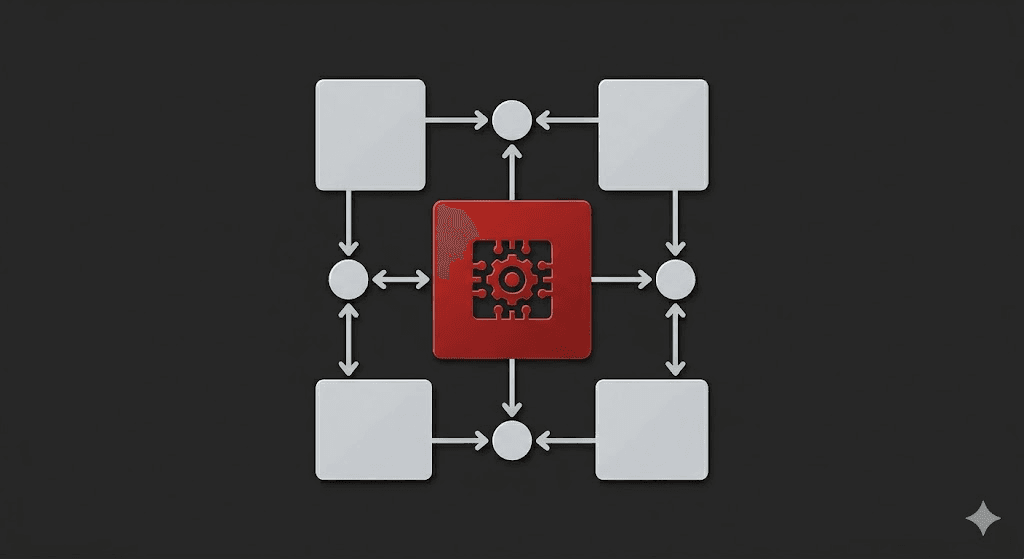
Decoupled Architecture

Decoupled Architecture

Content layer is completely separate from presentation. Use any frontend framework (React, Vue, Next.js) without CMS limitations.
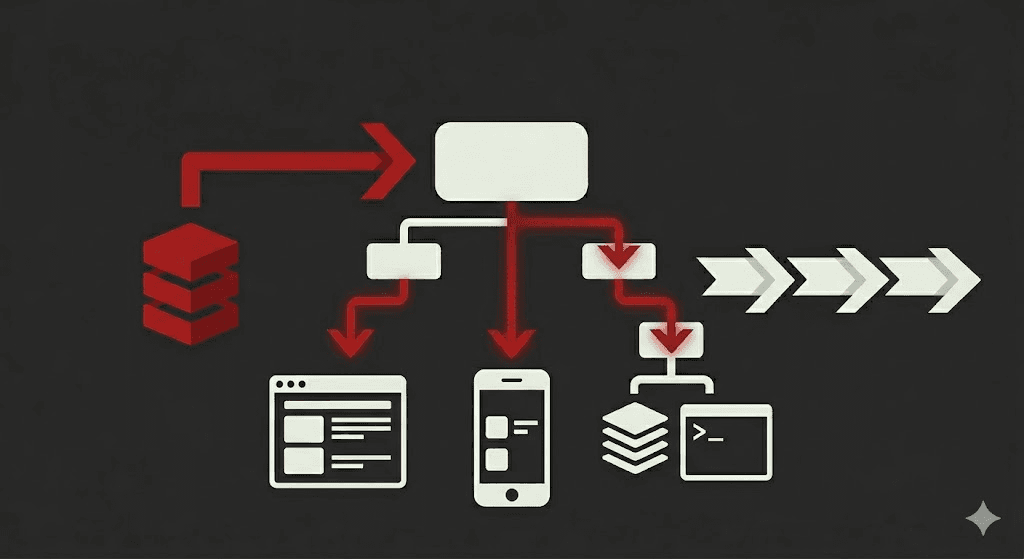
Multi-Channel Content Delivery

Multi-Channel Content Delivery

Deliver content to web, mobile, email, social media, IoT devices—any channel that needs your content, all from one CMS.
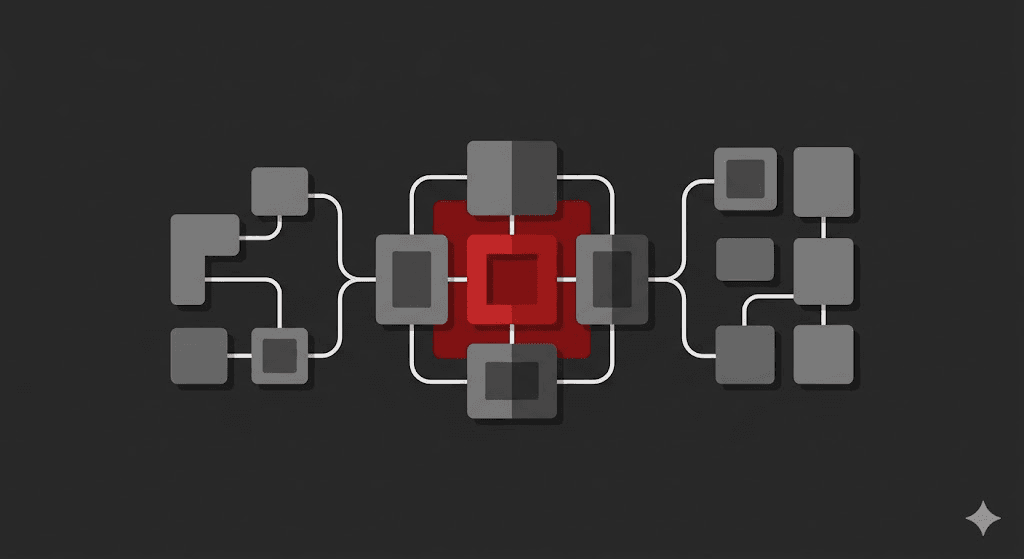
Flexible Content Models

Flexible Content Models

Define custom content types and fields without code limitations. Model your content exactly how your business needs it.
Workflow & Collaboration

Workflow & Collaboration

Editorial calendars, version control, content approval workflows, and multi-user collaboration for large content teams.
Developer-Friendly & Extensible

Developer-Friendly & Extensible

GraphQL or REST APIs, webhooks, and custom integrations. Developers have complete flexibility building on your content.

Common Challenges

Are you struggling with...

Content locked in one platform

Traditional CMS ties content to one website design. You can't easily reuse content for mobile apps, email, or other channels.

CMS limitations slow development

WordPress and Drupal themes have template limitations. You need a different approach to build custom frontends.

Site redesigns require content migration

If you want to redesign your site or change CMS, you have to manually migrate all content, risking data loss and downtime.

Performance and scalability issues

Traditional CMS tightly couples content and presentation. Scaling and optimizing performance is difficult.

You are not alone. We help UAE businesses solve these exact challenges every day.

Related Services

Headless CMS Works Best with Modern Frontends

Your headless CMS pairs with custom software development, modern frameworks, and e-commerce solutions. See how our related services create complete solutions.

Custom Software Development

Build custom applications that integrate with your headless CMS for advanced functionality.

Headless CMS Services We Deliver

From implementation to multi-channel delivery

We implement headless CMS platforms, build modern frontends, and manage multi-channel content delivery.

Headless CMS Implementation

Headless CMS Implementation

Set up and configure your headless CMS (Contentful, Sanity, Strapi) with custom content models and workflows.
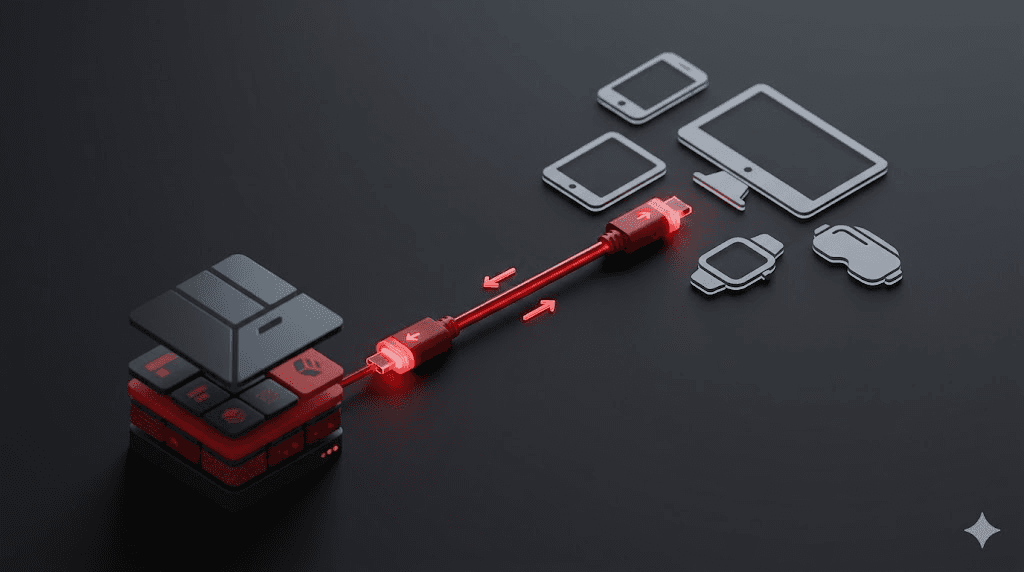
Frontend Development

Frontend Development

Build modern frontends using React, Next.js, Vue, or Svelte that consume your headless CMS APIs.
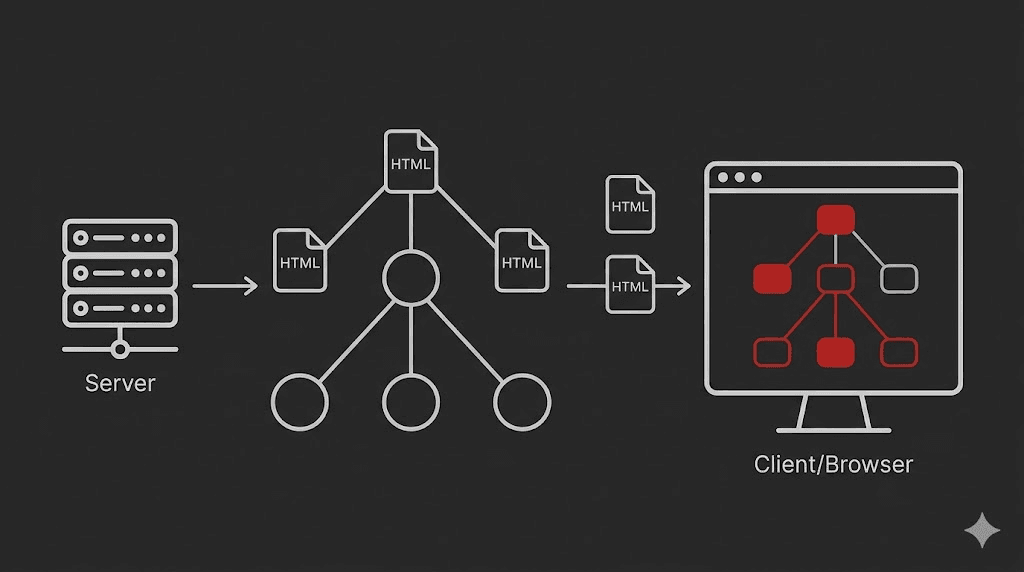
Headless CMS Migration

Headless CMS Migration

Migrate from traditional CMS (WordPress, Drupal) to headless architecture with content preservation and zero downtime.

API Development & Integration

API Development & Integration

Build and integrate REST/GraphQL APIs, webhooks, and third-party integrations for your headless CMS.
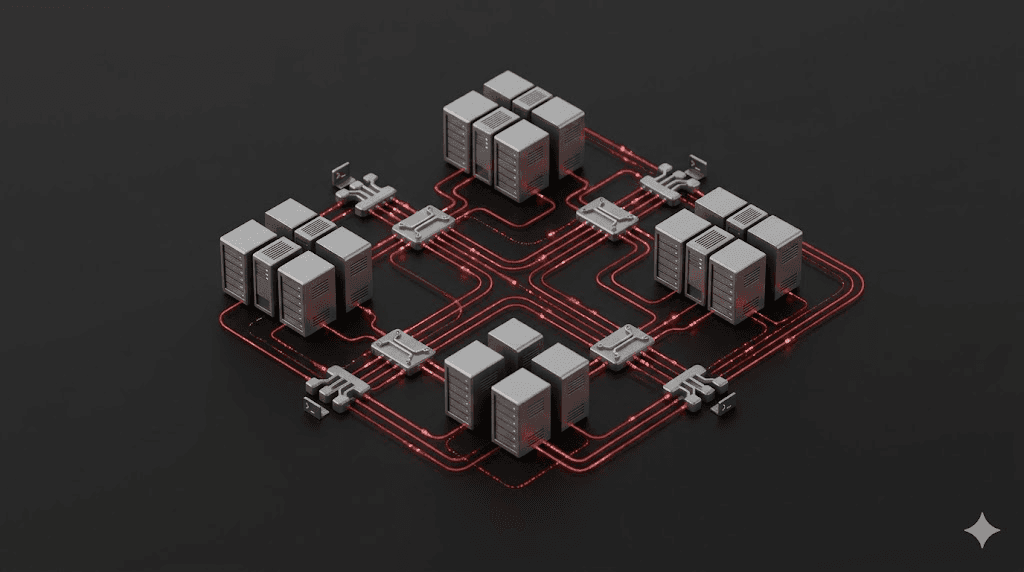
Multi-Channel Delivery

Multi-Channel Delivery

Deliver content to multiple channels: web, mobile apps, email, social media, and digital signage from one CMS.
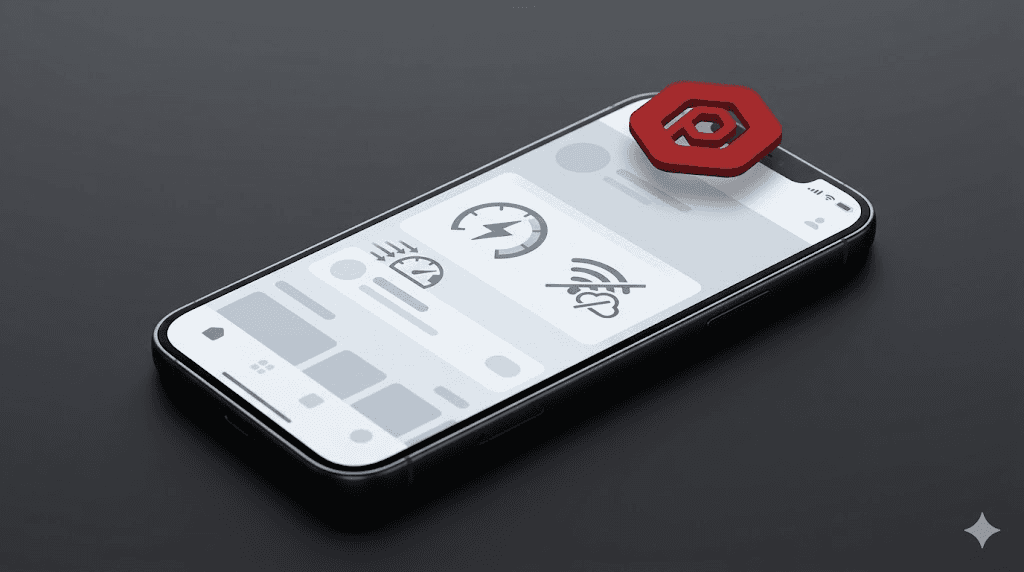
Headless CMS Development Areas

Content models, APIs, frontends, and deployment

Headless CMS spans content modeling, API design, frontend development, and global delivery. Here's how we approach each.

Custom Content Types

Design content types for your specific needs: articles, products, teams, events, testimonials.

Field Types & Relationships

Define rich text, media, references, and relationships between content items.

Content Governance

Set up editorial workflows, approval processes, and content scheduling.

50+

Clients Served

100+

Projects Delivered

6+

Years in Business

30%

Cost Reduction

Trusted by businesses across the UAE

Teammate App
Alhayat
Gulf Global Commerce
Sky NZ
Mixup
Kaizen Consulting
Eventfinda
Industries We Build Headless CMS For

Multi-channel solutions for every sector

From media and e-commerce to enterprise and education—we build headless CMS solutions tailored to your industry.

Publishing & Media

News organizations and digital publishers use headless CMS to deliver articles to web, mobile apps, email newsletters, and social media.

E-Commerce & Retail

Retailers use headless CMS to manage product content, descriptions, and marketing copy for website, mobile app, and physical stores.

Real Estate & Property

Property portals and agencies use headless CMS to manage listings, descriptions, and imagery across web and mobile apps.
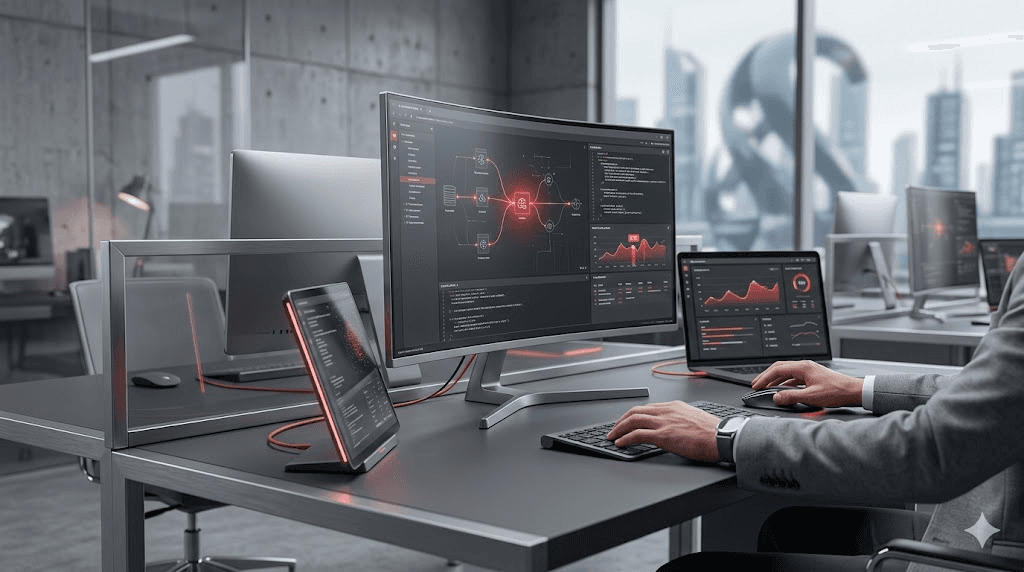
SaaS & Technology

SaaS companies use headless CMS for documentation, blog content, help center, and knowledge base delivered via APIs.

Enterprise & Corporate

Large enterprises use headless CMS to manage content across multiple websites, brands, and digital properties globally.

Education & Training

Educational institutions use headless CMS to deliver course content, learning materials, and resources to multiple platforms.

Why Choose Atlio for Headless CMS

We build future-proof, multi-channel content solutions with the latest headless CMS platforms and modern frontends.

Headless CMS decouples content from presentation, so you can change frontends, add new channels, or swap technologies without losing content.
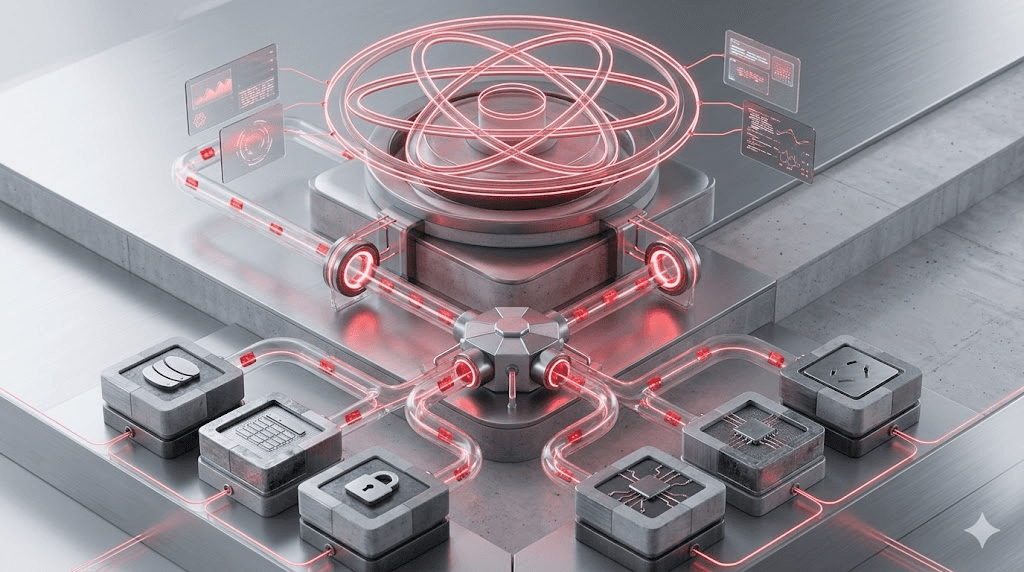
Future-Proof Architecture
Technologies

Headless CMS Platforms & Tools We Use

contentful.svg
sanity.svg
strapi.svg
react.svg
nextjs.svg
graphql.svg
Our Headless CMS Process

From strategy to multi-channel delivery

We define your content strategy, implement your headless CMS, build modern frontends, and scale globally.

1
Content & Channel Strategy

Content & Channel Strategy

Understand your content needs, define content models, and plan which channels you want to serve.

2
Headless CMS Setup & Configuration

Headless CMS Setup & Configuration

Implement your headless CMS (Contentful, Sanity, Strapi) with custom content types, workflows, and APIs.

3
Frontend Development & Integration

Frontend Development & Integration

Build modern frontends using React, Next.js, or other frameworks that consume your headless CMS APIs.

4
Launch, Optimize & Expand

Launch, Optimize & Expand

Deploy your solution, optimize performance, then add new channels and content types as your business evolves.

Why UAE Companies Choose Atlio for Headless CMS

Standards we operate by

Headless CMS requires API expertise, modern frontend skills, and content strategy knowledge. We bring it all together.

01

Mainland-Licensed Dubai Team

Local headless CMS experts in Dubai with proven experience delivering multi-channel content solutions.

02

Modern Framework Expertise

Deep expertise with React, Next.js, Vue, Svelte, and other modern frameworks that integrate with headless CMS.

03

API-First Development

We design and build robust REST and GraphQL APIs that enable efficient content delivery across all channels.

04

Zero-Downtime Migration

Safely migrate from traditional CMS (WordPress, Drupal) to headless architecture without losing content or traffic.

05

Global Content Delivery

CDN integration and caching strategies ensure your content loads fast for users anywhere in the world.

06

Ongoing Support & Evolution

Dedicated support for optimizing your headless CMS, adding new channels, and scaling as your needs grow.

Testimonials

What Our Clients Say

Atlio built our entire platform—web portal, mobile app, and AI-powered features. We launched on time, got to market fast, and scaled without issues. Having one team own the full stack end-to-end made all the difference.

Launched on time, scaled without issues

Darren N. testimonial

Darren N.

Teammate App

What started as a focused engagement evolved into an ongoing partnership. They delivered consistently and adapted as we evolved, ultimately more valuable than the initial delivery.

Built lasting trust through consistent delivery and ongoing commitment

Minu D. testimonial

Minu D.

Sky NZ

They built us a custom inventory and order management system that connects our warehouses across the UAE. Clean interface, works on mobile, and our team actually uses it. Exactly what we needed.

Custom system connecting UAE warehouses

Fatima K. testimonial

Fatima K.

Gulf Global Commerce

They developed a B2B portal where our retailers can place orders, check product availability, and track deliveries. Reduced phone calls to our office significantly and our customers prefer it.

94% on-time delivery, retailers prefer the portal

Shobair H. testimonial

Shobair H.

Alhayat

Our ERP and accounting were a mess of manual workarounds. They built an integration that automated the whole thing. Team saves hours every week now.

Saved 20+ hours per week

David C. testimonial

David C.

Mixup

We've been working with them for over 4 years, they handle our internal systems and support our enterprise clients. Reliable, easy to work with, and they just get things done.

4 years of reliable service

Sarah K. testimonial

Sarah K.

Kaizen Consulting

How We Build Your Headless CMS Solution

We understand your content needs, implement the CMS, build modern frontends, and enable multi-channel delivery for your entire organization.

Discover & Prototyping

We shape brands through exploration, applying in-depth research to challenge assumptions at every turn. We'll also create a prototype suitable for computers and mobile devices.

Design & Build

Using your feedback on the prototype, we will make any changes before starting the code development work. We use an agile development model with ongoing reviews and iterations.

Deliver

Ongoing testing is critical to agile development to get to the code refinement stage. We then implement the software application and provide your team with training and support.

Headless CMS: Content as Infrastructure, Not Just Pages

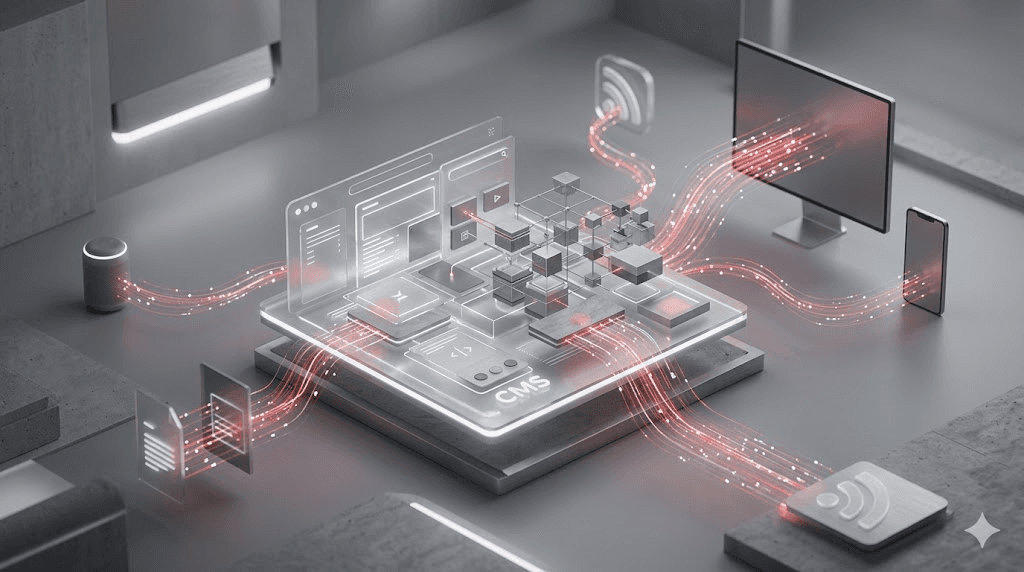
The traditional CMS bundles three jobs—storing content, managing editors, and rendering pages—into one system. A headless CMS deliberately unbundles them: content lives behind an API, editors get a purpose-built workspace, and any frontend—website, mobile app, in-store screen—consumes the same content. For organisations whose content outgrows a single website, that separation changes what is possible.

Content engineer mapping monochrome content blocks flowing from a CMS hub to website, mobile, and display channels

Where headless pays for itself

Headless earns its investment when content outgrows a single website. The payoff shows up in four places: one content source feeding many channels, CDN performance built into the architecture, bilingual English-Arabic handled structurally, and editors and developers who no longer block each other. The points below explain where each advantage comes from.

  • One source, many channels. Product copy edited once appears correctly on the website, the app, and the kiosk—no triple maintenance, no drift between channels.
  • Performance by architecture. Pre-rendered pages served from a CDN make Core Web Vitals a property of the build, not an optimisation project—and speed is a ranking and conversion input.
  • Bilingual content done structurally. English-Arabic variants live on the same content entries with locale-aware workflows—no parallel site to keep in sync.
  • Teams that stop blocking each other. Editors publish without developer tickets; developers redesign frontends without touching content. The decoupling is organisational as much as technical.

Choosing the platform honestly

Contentful suits enterprise governance needs, Sanity rewards teams who want deeply customised editing experiences, and Strapi keeps costs low with self-hosting and full control—including UAE-hosted deployments where data residency matters. The platform decision follows your team size, budget shape, and compliance posture, and we put the licence math in writing as part of the free consultation. And when a classic WordPress build genuinely serves you better, that is what we will recommend—we build both.

Contentful, Strapi & Sanity Development in Dubai

The right platform depends on how your team writes, where your data must live, and how the licence maths works at your scale. Here is how the leading headless platforms compare for a UAE build—including WordPress running in headless mode as a familiar middle ground.

PlatformHostingCost modelEditorial & Arabic
ContentfulHosted SaaSPer-seat + usagePolished editor, strong localisation
SanityHosted, customisableUsage-based, free tierTailored editing, locale-aware
StrapiSelf-hosted, UAE-capableOpen-source, infra onlyFull control, i18n for Arabic
WordPress (headless)Self or managed WPLow licence, familiarFamiliar editor, WPML for Arabic

When headless is worth it (and when it is not)

Headless earns its keep when content feeds more than one channel, when page speed drives revenue, or when editors and developers need to work without blocking each other. For a single marketing site run by one or two editors, a traditional WordPress build is usually the more economical call, and we will say so. When content and commerce need to share one source, our headless commerce service applies the same architecture to catalogues and checkout, and the wider CMS development range shows where headless fits alongside the alternatives.

Next.js front-ends and migrating from WordPress

A headless CMS is only half the stack—the front-end decides how fast and flexible the result feels. We build front-ends with Next.js and React that pull content over REST or GraphQL, pre-render pages for CDN delivery, and render true RTL layouts for Arabic. Migrating off WordPress follows a mapped path: we model your existing content types in the new CMS, move posts, media, and taxonomies with structure preserved, stand up the new front-end in parallel, and cut over only once URLs and redirects are verified—so rankings and traffic carry across without downtime.

Frequently Asked Questions

What is a headless CMS and how is it different from WordPress?
WordPress couples content management with presentation (the theme). A headless CMS manages content only, via APIs. Frontends can be built with any technology. This gives you flexibility: change frontends, add new channels, or use multiple frontends—all without losing content.
Who uses a headless CMS?
Headless CMS adoption clusters around a few patterns rather than one company size: publishers and media sites pushing the same articles to web, app, and newsletter from one source; retailers who need product content synced across a website, a mobile app, and in some cases in-store kiosks; SaaS companies serving documentation, a blog, and a help centre from a single content source via API; and larger enterprises coordinating content across multiple brands, regions, or country sites. What they share is not size but structure: content that has to reach more than one surface, and teams where editors and developers need to work without blocking each other.
Is headless CMS the right choice for a UAE SME, or is it overkill?
Honest answer: for a straightforward marketing site managed by one or two editors, WordPress is usually the more economical choice and we will say so. Headless earns its place when content feeds multiple channels (web, app, kiosk), when performance directly drives revenue, or when developers and editors need to work independently. The architecture should follow the operating model, not the trend.
Which headless CMS should I choose: Contentful, Sanity, or Strapi?
Contentful is a hosted SaaS solution great for enterprises. Sanity offers a flexible studio and excellent DX. Strapi is open-source and self-hosted for maximum control. The choice depends on your team's preferences, budget, and infrastructure. We recommend based on your specific needs.
Which headless CMS handles Arabic content best?
All of the platforms we work with support Arabic and right-to-left layouts, but the fit differs. Contentful and Sanity treat localisation as first-class, so English and Arabic variants live on the same content entries with one-click locale switching. Strapi handles Arabic through its internationalisation feature and can be UAE-hosted for data residency. WordPress-headless relies on WPML or Polylang. We pick based on your editorial workflow, then make sure the front-end renders true RTL rather than mirrored CSS.
Can we keep WordPress and go headless?
Yes. WordPress can run in headless mode: you keep the familiar WordPress admin your editors already know as the content backend, and we build a modern Next.js or React front-end that reads content through the WordPress REST or GraphQL API. It is a pragmatic halfway house—headless performance and multi-channel reach without retraining your editorial team or migrating to a new platform.
What are the best open-source options for a headless e-commerce marketplace?
For marketplace-scale content and catalogue needs, Strapi and Directus are the strongest open-source headless options — both are self-hostable, so you keep the data on infrastructure you control, and both handle the relational structure a multi-vendor catalogue needs better than a blog-first CMS. We pair either with a custom storefront and commerce backend rather than relying on CMS plugins for checkout and payments.
How do I deliver content from my headless CMS to multiple channels?
Your headless CMS provides APIs (REST or GraphQL) that any frontend can consume. You build separate frontends for your website, mobile app, email marketing, and other channels. All pull content from the same CMS via APIs.
What are the performance benefits of headless CMS?
Headless CMS enables static site generation, resulting in dramatically faster load times. Content is pre-rendered and served via CDN. Decoupling also allows you to scale frontends independently from the CMS, improving reliability and performance under high traffic.
Can a headless CMS handle ERP or CRM-style data, not just content?
Some can, to a point. Platforms like Payload CMS are built with a more structured, database-first approach than content-first tools like Contentful or Sanity, so they handle relational, ERP-adjacent data more comfortably. That said, a headless CMS is still a content layer, not a system of record — for genuine ERP or CRM functionality, we would integrate the CMS with a purpose-built backend rather than stretch it to do both jobs.
How do editors work day to day in a headless CMS?
Better than most expect. Modern headless platforms give editors a clean writing interface, live preview of the real site, scheduled publishing, and roles and workflows—without the plugin clutter of a traditional CMS. We configure the content model around how your team actually writes, and train editors before launch so the first week is productive, not confusing.
Can a headless CMS handle bilingual English-Arabic content?
Yes, and structurally better than bolt-on translation plugins. Localisation is a first-class concept: every field can carry language variants, editors switch locales in one click, and the frontend renders true RTL layouts per locale. One content model serves both languages with shared assets and consistent structure.
Is a headless CMS more expensive than WordPress?
Headless CMS licensing can vary. Contentful has usage-based pricing. Strapi is free to self-host. Overall costs depend on your hosting, frontend complexity, and team. For complex multi-channel needs, headless CMS is often cheaper than maintaining multiple WordPress installations.
Can you migrate my WordPress site to a headless CMS?
Yes. We migrate content from WordPress to your headless CMS while preserving data structure. We then build a modern frontend (React, Next.js) to replace your WordPress theme. Zero downtime during the transition.
What does a headless CMS project cost in Dubai?
The drivers are content-model complexity, the number of frontends consuming the content, and migration volume from your current system. A marketing site with a focused content model is a contained build; multi-channel publishing platforms are larger. Platform licence costs vary too—Strapi can run self-hosted economically, while SaaS platforms charge per seat and usage. Fixed written proposal, including the licence math, after a free consultation.
Do you provide ongoing support and maintenance after a headless CMS launches?
Yes. Support covers the two halves of a headless stack separately: CMS-side (platform updates, content-model changes, user and role management, backups where self-hosted) and front-end side (framework updates, performance monitoring, new channel integrations as you add them). We agree response times and scope in writing before launch, so support is proportional to how business-critical the content pipeline is—a single marketing site needs less than a multi-channel publishing platform feeding a mobile app and kiosks.

Ready to Transform Your Business?

Book a free 30-minute consultation. We'll discuss your challenges, explore opportunities for automation, and show you exactly how we can help.

© 2026 Atlio All Rights Reserved