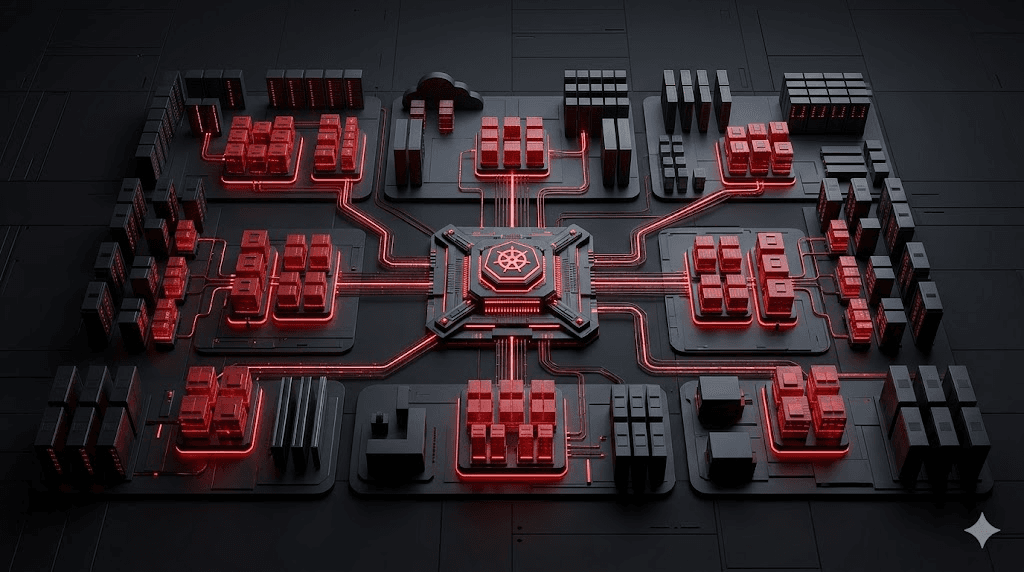
Container OrchestrationAuto-ScalingService Mesh
Mainland-licensed business based in Dubai, UAE

Kubernetes Services Dubai

Scale containerized applications with Kubernetes. We design, deploy, and manage production-grade Kubernetes clusters on EKS, AKS, GKE, or on-premises. Auto-scaling, self-healing, monitoring—run containerized workloads at enterprise scale with minimal operational overhead.

Get Free Consultation
Atlio service illustration
Kubernetes Capabilities for UAE Businesses

Container orchestration at production scale

We deliver Kubernetes infrastructure, deployment pipelines, and operations to scale containerized applications reliably.

Kubernetes Cluster Management

Kubernetes Cluster Management

Deploy and manage Kubernetes clusters on AWS (EKS), Azure (AKS), or Google Cloud (GKE). Handle master nodes, worker scaling, and platform updates.

Container Orchestration & Scheduling

Container Orchestration & Scheduling

Automatic deployment, scaling, and management of containerized applications across your cluster. Self-healing and rolling updates.

Storage & Persistent Volumes

Storage & Persistent Volumes

Kubernetes storage for stateful applications. Persistent volumes, dynamic provisioning, and backup management for databases and data stores.

Networking & Service Mesh

Networking & Service Mesh

Service discovery, load balancing, and traffic management. Istio and Linkerd service meshes for advanced traffic control and observability.

Helm Charts & Package Management

Helm Charts & Package Management

Package and deploy Kubernetes applications with Helm. Templating, versioning, and rollback capabilities for complex applications.
Monitoring & Observability

Monitoring & Observability

Prometheus, Grafana, ELK Stack, and Datadog integration for real-time cluster monitoring, logging, and performance analytics.

Common Challenges

Are you struggling with...

Difficult manual deployment processes

Deploying applications requires manual steps, SSH sessions, and configuration changes. Slow, error-prone, and hard to replicate across environments.

No auto-scaling for traffic spikes

Applications crash when traffic spikes. You over-provision for peak demand. Idle resources during off-peak waste money.

Complex infrastructure and networking

Managing VMs, load balancers, storage, and networking manually is complex. No unified way to manage distributed applications.

No easy disaster recovery or rolling updates

Updates require downtime. No automatic rollback if something breaks. Disaster recovery requires manual restoration.

You are not alone. We help UAE businesses solve these exact challenges every day.

Related Services

Kubernetes Is Part of Your Infrastructure

Kubernetes works best alongside DevOps practices, cloud platforms, and CI/CD pipelines. See how our services support your container strategy.

DevOps & Cloud Services

End-to-end DevOps services including CI/CD, infrastructure automation, and monitoring across all platforms.

Kubernetes Services We Deliver

From cluster design to 24/7 operations

Whether you need a simple cluster or enterprise-scale containerized infrastructure, we design and operate Kubernetes at every level.

Kubernetes Architecture & Design

Kubernetes Architecture & Design

Design production-grade Kubernetes clusters with high availability, multi-AZ redundancy, security policies, and network isolation.
Cluster Setup & Configuration

Cluster Setup & Configuration

Deploy Kubernetes on EKS, AKS, GKE, or on-premises. Configure networking, storage, RBAC, and security policies for secure operation.

Container Image Registry

Container Image Registry

Docker image building, registry setup (ECR, ACR, GCR), image scanning for vulnerabilities, and automated image promotion across environments.
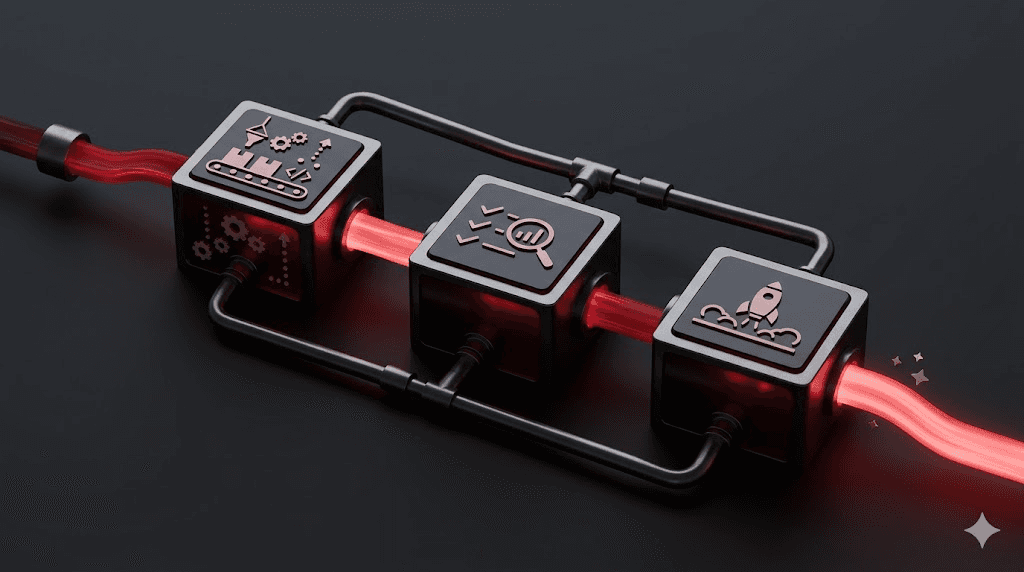
CI/CD Pipeline Integration

CI/CD Pipeline Integration

Kubernetes-native CI/CD: GitHub Actions, GitLab CI, or Jenkins pipelines that automatically build, test, and deploy to Kubernetes.
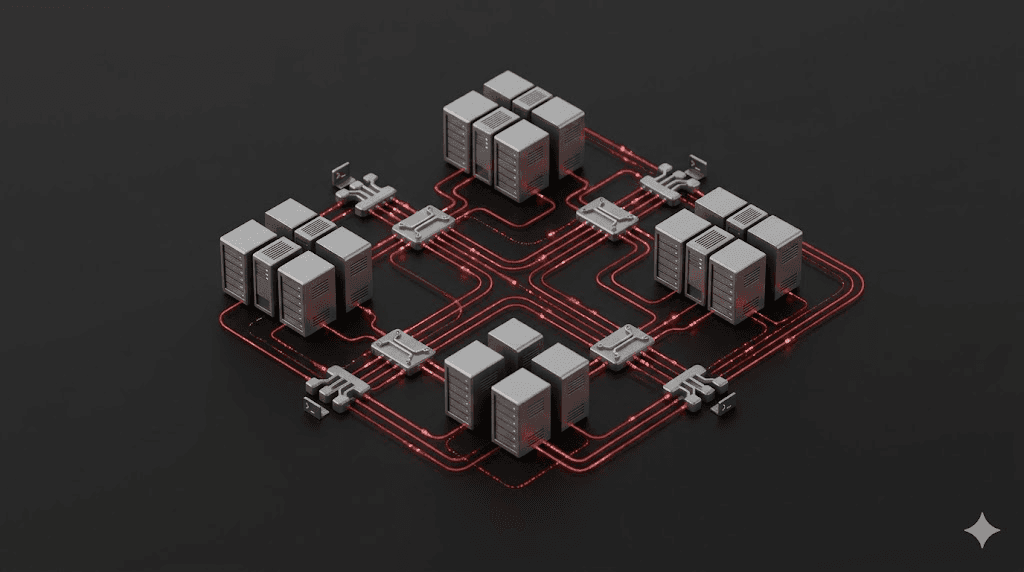
Kubernetes Maintenance & Optimization

Kubernetes Maintenance & Optimization

Ongoing cluster management: node updates, security patches, resource optimization, cost management, and disaster recovery.
Kubernetes by Use Case

Deployment, networking, storage, and more

Kubernetes provides powerful abstractions for deploying and managing containerized applications. We help you leverage every capability.

Pod & Deployment Management

Deploy containerized applications as pods. Manage replicas, rolling updates, and version control.

StatefulSets & DaemonSets

Manage stateful applications like databases. Deploy system-level services across all nodes.

ConfigMaps & Secrets

Manage configuration and sensitive data. Decouple config from container images.

50+

Clients Served

100+

Projects Delivered

6+

Years in Business

30%

Cost Reduction

Trusted by businesses across the UAE

Teammate App
Alhayat
Gulf Global Commerce
Sky NZ
Mixup
Kaizen Consulting
Eventfinda
Industries We Serve

Kubernetes for your sector

From SaaS to finance to healthcare—we deploy Kubernetes solutions for every industry with scalability, security, and compliance.

SaaS & Software Companies

Deploy multi-tenant applications on Kubernetes. Scale independently for each customer. Update once, deploy everywhere.

E-Commerce & Retail

High-traffic web applications and APIs on Kubernetes. Auto-scale during peak seasons. Reduce infrastructure costs with efficient resource usage.

Logistics & IoT

Real-time data processing, IoT data ingestion, and microservices for supply chain visibility and operations.

Healthcare & Life Sciences

HIPAA-compliant containerized applications on Kubernetes. Patient data processing at scale with encryption and audit logging.

Financial Services

PCI-DSS compliant Kubernetes clusters for trading platforms, APIs, and payment processing. High availability and disaster recovery.

Media & Broadcasting

Video processing, transcoding, and streaming on Kubernetes. Scale compute on demand for content delivery.

Why Choose Atlio for Kubernetes

We combine Kubernetes expertise with multi-cloud capability and production operations to deliver containers that scale.

Our engineers hold CKA and CKAD certifications. We have deployed and managed production Kubernetes clusters for enterprises, SaaS companies, and scale-ups.

Kubernetes Certification & Expertise
Technologies

Kubernetes Tools & Platforms We Use

kubernetes.svg
docker.svg
helm.svg
prometheus.svg
istio.svg
jenkins.svg
Our Kubernetes Implementation Process

From strategy to production operations

We follow a structured approach to design, deploy, and operate Kubernetes infrastructure for your applications.

1
Kubernetes Strategy & Planning

Kubernetes Strategy & Planning

Assess your applications, design Kubernetes architecture, and plan containerization and deployment strategy.

2
Cluster Provisioning & Setup

Cluster Provisioning & Setup

Deploy Kubernetes on EKS, AKS, GKE, or on-premises. Configure networking, storage, and security policies.

3
Application Containerization & Deployment

Application Containerization & Deployment

Containerize your applications with Docker. Define Kubernetes manifests. Deploy and validate in cluster.

4
Monitoring, Scaling & Optimization

Monitoring, Scaling & Optimization

Implement monitoring and logging. Configure auto-scaling. Optimize resource allocation and costs.

Why UAE Companies Choose Atlio

Standards we operate by

Kubernetes success requires expertise, operational excellence, and ongoing support. We deliver that combination.

01

Certified Kubernetes Engineers

CKA and CKAD certified engineers with hands-on experience deploying and managing production clusters.

02

Multi-Cloud Capability

Deploy and manage Kubernetes on EKS, AKS, GKE, or on-premises. No vendor lock-in. Workload portability.

03

GitOps & Infrastructure as Code

Manage Kubernetes clusters and deployments via Git. Version control, audit trails, and easy rollbacks.

04

CI/CD Pipeline Integration

Fully integrated CI/CD with GitHub, GitLab, or Jenkins. Automated builds, tests, and deployments to Kubernetes.

05

24/7 Cluster Monitoring & Support

Prometheus, Grafana, and alerting for cluster health. On-call support for incident response and troubleshooting.

06

Mainland-Licensed Dubai Team

Local Kubernetes expertise based in Dubai. We understand UAE requirements and operate on your timezone.

Testimonials

What Our Clients Say

Atlio built our entire platform—web portal, mobile app, and AI-powered features. We launched on time, got to market fast, and scaled without issues. Having one team own the full stack end-to-end made all the difference.

Launched on time, scaled without issues

Darren N. testimonial

Darren N.

Teammate App

What started as a focused engagement evolved into an ongoing partnership. They delivered consistently and adapted as we evolved, ultimately more valuable than the initial delivery.

Built lasting trust through consistent delivery and ongoing commitment

Minu D. testimonial

Minu D.

Sky NZ

They built us a custom inventory and order management system that connects our warehouses across the UAE. Clean interface, works on mobile, and our team actually uses it. Exactly what we needed.

Custom system connecting UAE warehouses

Fatima K. testimonial

Fatima K.

Gulf Global Commerce

They developed a B2B portal where our retailers can place orders, check product availability, and track deliveries. Reduced phone calls to our office significantly and our customers prefer it.

94% on-time delivery, retailers prefer the portal

Shobair H. testimonial

Shobair H.

Alhayat

Our ERP and accounting were a mess of manual workarounds. They built an integration that automated the whole thing. Team saves hours every week now.

Saved 20+ hours per week

David C. testimonial

David C.

Mixup

We've been working with them for over 4 years, they handle our internal systems and support our enterprise clients. Reliable, easy to work with, and they just get things done.

4 years of reliable service

Sarah K. testimonial

Sarah K.

Kaizen Consulting

How We Deploy Kubernetes

We design, deploy, containerize, and operate your Kubernetes infrastructure with expert operations support.

Discover & Prototyping

We shape brands through exploration, applying in-depth research to challenge assumptions at every turn. We'll also create a prototype suitable for computers and mobile devices.

Design & Build

Using your feedback on the prototype, we will make any changes before starting the code development work. We use an agile development model with ongoing reviews and iterations.

Deliver

Ongoing testing is critical to agile development to get to the code refinement stage. We then implement the software application and provide your team with training and support.

Kubernetes in Production: What UAE Teams Should Know First

Kubernetes has become the default answer to "how do we run containers?"—but the honest version is more nuanced. For teams running a handful of services with real scaling needs, it is transformative. For a single application with steady traffic, it is an operations tax. The decision deserves the same scrutiny as any architecture choice, and it is the first thing we assess.

Platform engineer observing a monochrome Kubernetes cluster topology visualization on a large display

The decisions that shape a Kubernetes platform

A production Kubernetes platform turns on four decisions: run a managed control plane like EKS, AKS, or GKE rather than self-hosting; keep stateless workloads in the cluster and databases on managed services; tune cluster and pod autoscaling so quiet hours cost less; and build security—network policies, secrets, image scanning, RBAC—in from day one.

  • Managed control plane, almost always. EKS, AKS, and GKE remove the hardest operational burden—and all three run in UAE or nearby regions, keeping latency low and residency options open.
  • Workloads in, databases out. Stateless services thrive in the cluster; databases usually belong on managed services. Mixing this up is the most common source of 2 a.m. incidents.
  • Autoscaling is the economic engine. Without cluster and pod autoscaling tuned, Kubernetes costs more than the VMs it replaced. With them, quiet hours genuinely cost less.
  • Security from the manifest up. Network policies, secrets management, image scanning, and RBAC are cluster-day-one decisions—NESA and PDPL audits will ask for exactly these controls.

What determines the size of a Kubernetes project

Service count, how much CI/CD already exists, and whether anything migrates live. Containerizing and platforming a few services is a contained, weeks-scale project; building a multi-team internal platform with golden paths is a programme. We scope it in a free assessment—and if Kubernetes is the wrong tool for your stage, we say so and propose the simpler thing.

Amazon EKS services for UAE workloads

Amazon EKS is the managed Kubernetes control plane most of our UAE clients land on. AWS removes the hardest part of cluster ownership—patching, etcd, and control-plane availability—while a nearby region keeps latency low. We provision production EKS clusters with private networking, IAM-integrated RBAC, managed node groups (and Fargate for bursty jobs), and cluster autoscaling tuned so quiet hours genuinely cost less. Container images live in ECR with vulnerability scanning, and deployments flow through GitOps so every change is version-controlled and reversible. If you already run on AWS, EKS keeps your data, VPCs, and IAM boundaries exactly where they are. Our full AWS cloud services cover the surrounding infrastructure—VPCs, RDS, and load balancing—that a healthy cluster depends on.

Azure AKS services for UAE workloads

Azure AKS suits teams already invested in Microsoft 365, Entra ID, or Azure DevOps. We deploy AKS with Entra-integrated RBAC, Azure CNI networking, managed node pools, and the cluster autoscaler, wiring images through Azure Container Registry with built-in scanning. Azure's UAE North and UAE Central regions make AKS a strong fit where data residency is contractual rather than optional. For the wider platform— landing zones, Azure SQL, and monitoring—see our Azure cloud solutions. Whichever platform you choose, workloads are packaged identically, so moving between EKS and AKS later is a configuration exercise, not a rewrite.

Do you actually need Kubernetes?

Not every workload earns the operational cost of a cluster. Kubernetes pays off when several services scale independently, you deploy many times a week, or you need portability across clouds. Below that threshold, simpler platforms ship faster and cost less to run—and we will tell you honestly which side of the line you sit on.

  • Docker Compose on a VM. Fine for one app plus a database with steady traffic and a single environment. The trade-off is no autoscaling or self-healing and manual failover.
  • ECS or Azure App Service. A good fit for a few containers on one cloud with a small ops appetite. You give up some of the control and portability Kubernetes offers.
  • Kubernetes (EKS, AKS, or GKE). Earns its complexity once many services scale independently, deploys are frequent, or multi-cloud portability matters. The cost is a real operational surface—worth it only past the threshold above.

What Kubernetes costs—and when it saves money

Two numbers matter: the cloud bill and the engineering to run the platform well. Managed control planes are inexpensive on their own; the spend is in the compute you schedule. Bin-packing several workloads onto shared nodes and scaling down at night typically undercuts one-VM-per-app sprawl—but an idle, oversized cluster burns money quietly, which is why we put cost dashboards in front of you from day one. Focused Kubernetes engagements—containerizing services and standing up a cluster with CI/CD— typically fall in the AED 10,000–20,000 range, and ongoing managed-cluster retainers start from AED 3,500 per month. Teams we move onto a tuned cluster commonly go from occasional, nervous releases to several confident deployments a week while holding availability above 99.9%. Every engagement is scoped to a fixed written proposal after a free consultation, and it sits within our broader DevOps and cloud services.

Frequently Asked Questions

What is Kubernetes and why do we need it?
Kubernetes is an open-source container orchestration platform. It automates deployment, scaling, and management of containerized applications. Use Kubernetes when you have multiple applications running in containers and need automatic scaling, self-healing, and simplified operations.
Do we actually need Kubernetes, or is it overkill for us?
Honest answer: many SMEs do not need it yet. Kubernetes earns its complexity when you run several services that scale independently, deploy many times a week, or need cloud-agnostic portability. If you run one application and a database, simpler options—ECS, App Service, or even a well-managed VM—are cheaper to operate. We will tell you which side of that line you are on before proposing anything.
Is Kubernetes difficult to learn and operate?
Kubernetes has a learning curve. Understanding pods, deployments, services, and ingress requires time. Operating production clusters requires expertise in networking, storage, security, and monitoring. Most teams hire Kubernetes experts or use managed services (EKS, AKS, GKE) to reduce operational burden.
Should we use managed Kubernetes (EKS, AKS, GKE) or on-premises?
Managed Kubernetes is recommended for most teams. EKS, AKS, and GKE handle cluster management, updates, and security. On-premises Kubernetes makes sense for teams with very low latency requirements or strict data residency rules. We recommend managed services for faster time-to-value.
EKS vs AKS — which should we use for UAE workloads?
There is no universal winner; it follows your existing stack. If you already run on AWS, Amazon EKS keeps your VPCs, IAM, and data where they are. If your business lives in Microsoft 365, Entra ID, or Azure DevOps, AKS integrates more cleanly. Both offer UAE-region hosting for data residency and both run identical container images, so the choice is rarely irreversible. In a free assessment we look at your current cloud, compliance needs, and team skills and recommend one—rather than defaulting to a favourite.
Can we run stateful applications (databases) on Kubernetes?
Yes, with proper storage configuration. Kubernetes persistent volumes provide durable storage for stateful workloads. For databases, we recommend managed services (RDS, Azure SQL, Cloud SQL) for simpler operations, or StatefulSets in Kubernetes for self-managed databases.
How do we monitor and manage Kubernetes clusters?
We implement Prometheus for metrics, Grafana for visualization, ELK Stack for logging, and Datadog for comprehensive monitoring. Alerting automatically notifies teams of issues. We provide dashboards and runbooks for common operational tasks.
Should authentication be handled only at the API gateway, or between internal services too?
Both, for anything handling sensitive data. Gateway-level authentication controls who gets into the cluster; service-to-service authentication (mTLS via a service mesh like Istio or Linkerd) controls what happens once a request is inside, which matters if one compromised service shouldn't have free rein over every other service it talks to. For most UAE SME deployments, gateway auth plus network policies is a reasonable starting point — full mesh-level mTLS is something we add once the cluster and compliance requirements justify the added complexity.
Can you migrate our existing apps into Kubernetes without downtime?
Yes. We containerize services one at a time, run them in parallel with the legacy deployment behind the same load balancer, shift traffic gradually, and only retire the old environment after soak testing. Databases usually stay on managed services rather than moving into the cluster, which removes the riskiest part of most migrations.
What does a Kubernetes engagement with Atlio look like?
Typically four phases: containerizing your applications (Dockerfiles, image pipelines), standing up a managed cluster (EKS, AKS, or GKE) with security baselines, wiring CI/CD so deployments become routine, and handing over monitoring, autoscaling, and runbooks. Smaller setups take weeks; multi-team platform builds are phased over months. A free assessment produces a fixed plan either way.
How does Kubernetes affect our cloud costs?
Two-sided. Bin-packing workloads onto shared nodes and autoscaling down at night typically cuts compute spend versus one-VM-per-app sprawl. But an idle or oversized cluster burns money quietly. We configure cluster autoscaling, right-size node pools, use spot capacity where safe, and put cost dashboards in front of you so the savings are visible and verifiable.
What does managed Kubernetes cost per month?
The managed control plane itself is inexpensive; the real spend is the compute you schedule and the engineering to run it well. Small production clusters run economically once autoscaling is tuned, and ongoing managed-cluster retainers with us start from AED 3,500 per month, covering monitoring, patching, and on-call support. Setting a cluster up—containerizing services and wiring CI/CD—typically falls in the AED 10,000–20,000 range. We size both the cloud bill and our engagement precisely before you commit anything.
Who handles Kubernetes incidents at 3am?
We do. Managed-cluster clients get 24/7 monitoring with Prometheus and Grafana, alerting wired to an on-call rotation, and documented runbooks for common failure modes. When something breaks out of hours, an engineer who knows your cluster responds—not a first-line desk reading a script. We also design for self-healing and automated rollback so many incidents resolve before anyone needs waking, and we review every real incident afterwards to remove the root cause.

Ready to Transform Your Business?

Book a free 30-minute consultation. We'll discuss your challenges, explore opportunities for automation, and show you exactly how we can help.

© 2026 Atlio All Rights Reserved