API-First ArchitectureOmnichannel CommerceShopify Hydrogen
Mainland-licensed business based in Dubai, UAE

Headless Commerce Development Dubai

Build next-generation e-commerce with decoupled architecture. We develop custom storefronts using Shopify Hydrogen, React, and Next.js—delivering fast, performant, and infinitely customizable shopping experiences. Sell everywhere: web, mobile, PWA, social, voice. One commerce backend, unlimited frontends.

Get Free Consultation
Atlio service illustration
Headless Commerce Capabilities

API-first architecture for modern commerce

Decoupled frontend and backend enable performance, customization, and omnichannel experiences impossible with traditional platforms.

Decoupled Frontend Architecture

Decoupled Frontend Architecture

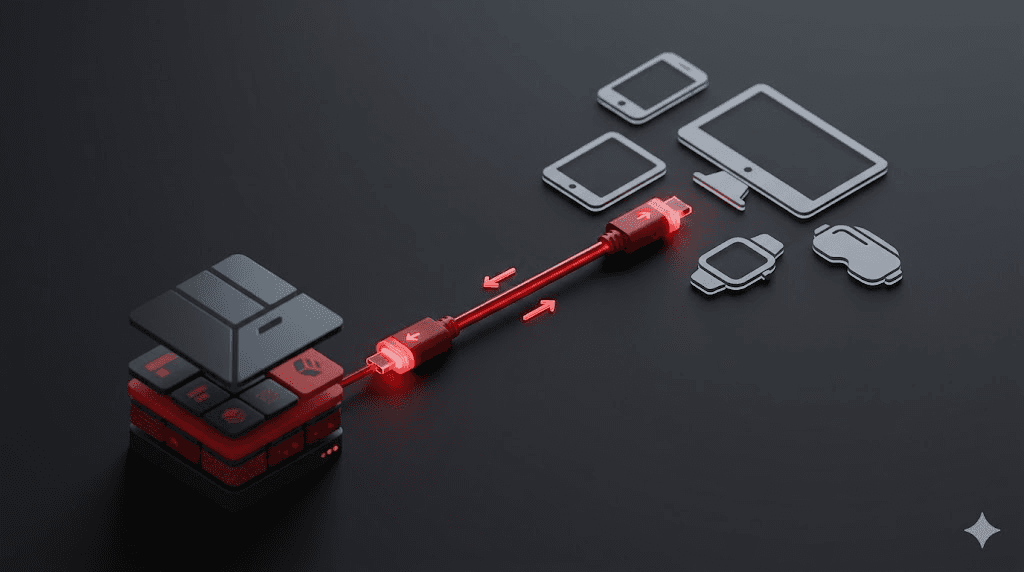
Separate your storefront from commerce backend via APIs. Build custom user experiences with React, Vue, or Next.js while maintaining flexibility to change backends.
Omnichannel Commerce Experiences

Omnichannel Commerce Experiences

Deliver consistent commerce experiences across web, mobile, PWA, voice, and emerging channels—all powered by a single unified commerce backend.
Performance & Speed Optimization

Performance & Speed Optimization

Headless architectures enable 2-3x faster load times through static site generation, edge caching, and minimal JavaScript. Better performance = higher conversion.

API-First Integration & Extensibility

API-First Integration & Extensibility

Build custom experiences by consuming commerce APIs. Integrate with any backend system through REST or GraphQL without platform constraints.
Content Management Separation

Content Management Separation

Manage products, content, and customer experiences independently. Your content team can update marketing content without touching the checkout system.

Scalability & Enterprise Flexibility

Scalability & Enterprise Flexibility

Headless architecture scales independently—your frontend can handle millions of concurrent users while your commerce backend manages transactions separately.

Common Challenges

Are you struggling with...

Platform limitations constraining innovation

Your current e-commerce platform limits what you can build. Custom experiences require expensive development workarounds or are impossible.

Slow checkout and poor mobile performance

Traditional e-commerce platforms struggle with performance. Your storefronts are slow, Core Web Vitals are poor, and conversions suffer.

Unable to scale across channels

You're stuck with single-channel commerce. Launching on mobile, PWA, or social commerce requires rebuilding from scratch.

Vendor lock-in preventing flexibility

Changing platforms is expensive. You're locked into your current vendor's limitations, pricing, and roadmap.

You are not alone. We help UAE businesses solve these exact challenges every day.

Related Services

Technology Ecosystem for Headless

Headless commerce works best with modern frontend frameworks, headless CMSs, and custom backend development.

Next.js & React Development

Build high-performance web applications with React and Next.js—perfect for headless storefronts and modern commerce experiences.

Headless Commerce Services We Deliver

From architecture to launch and beyond

We design, build, deploy, and optimize headless storefronts that deliver performance and conversion at scale.

Shopify Hydrogen Development

Shopify Hydrogen Development

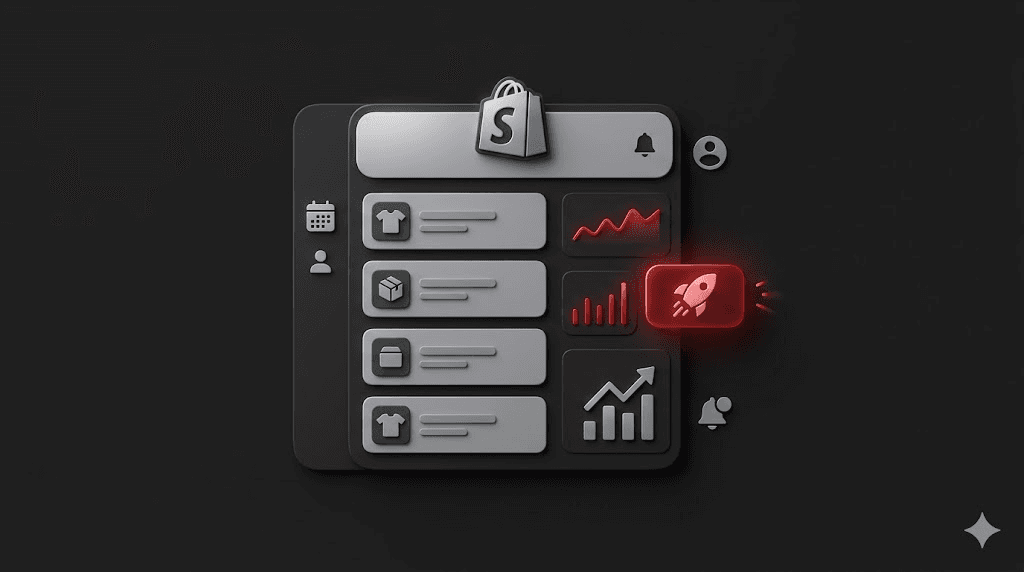
Build next-generation commerce experiences using Shopify Hydrogen framework—a React-based development tool for building custom storefronts on Shopify.
Custom Headless Storefront Development

Custom Headless Storefront Development

Build completely custom storefronts with React, Next.js, Vue, or Nuxt. Design unique customer experiences that differentiate your brand from competitors.
Commerce API Integration & Orchestration

Commerce API Integration & Orchestration

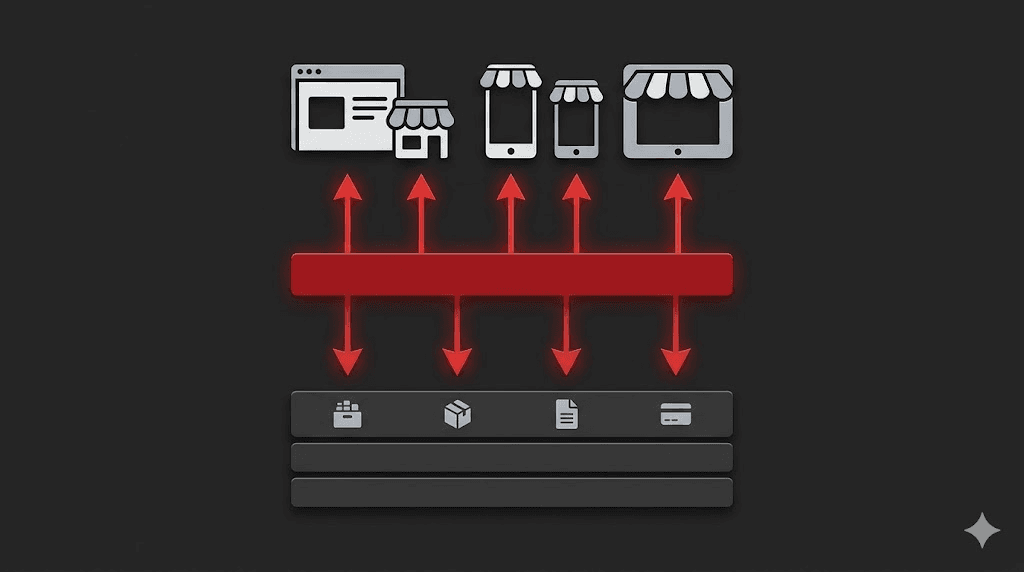
Connect to Shopify, WooCommerce, custom backends, and third-party commerce systems through REST APIs, GraphQL, or custom API connectors.
PWA & Progressive Web App Commerce

PWA & Progressive Web App Commerce

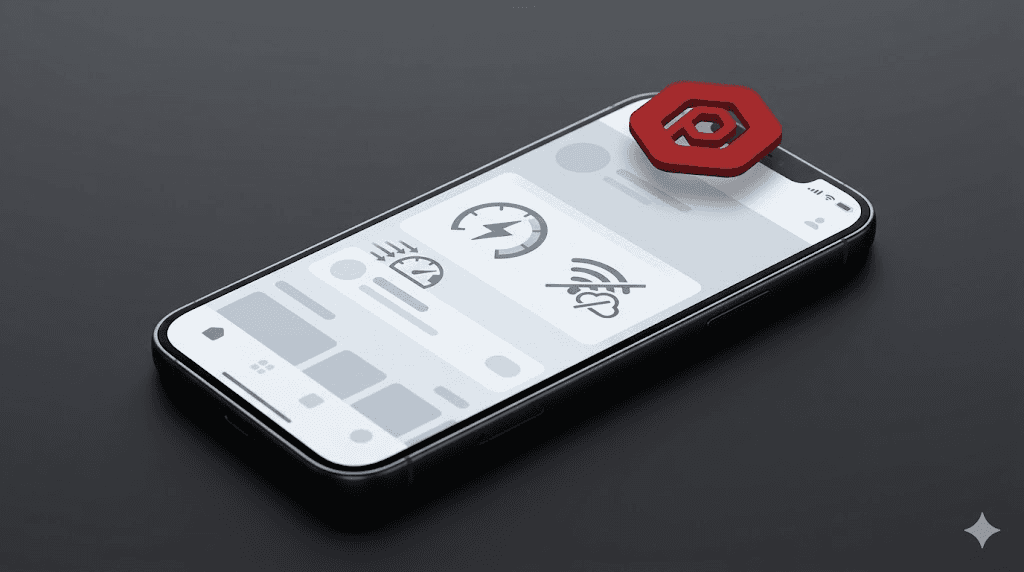
Build progressive web apps that deliver app-like experiences on web—fast, reliable, installable—without the friction of native app stores.
Headless CMS + Commerce Integration

Headless CMS + Commerce Integration

Connect headless CMSs (Contentful, Sanity, Strapi) with commerce backends. Manage content and commerce independently for maximum flexibility.
Headless Commerce Use Cases

Enterprise, high-growth, and innovative brands

Headless powers modern commerce across enterprise retailers, high-growth startups, and brands pushing innovation boundaries.

Multi-storefront management

Single commerce backend powering multiple storefronts—brand-specific experiences, regional variations, and B2B/B2C combinations.

Unified customer experience

Seamless customer journeys across channels: browse on mobile, buy on web, pick up in-store, return via app—all connected.

Backend flexibility

Scale backend independently from frontend. Upgrade commerce capabilities without redesigning storefronts.

50+

Clients Served

100+

Projects Delivered

6+

Years in Business

30%

Cost Reduction

Trusted by businesses across the UAE

Teammate App
Alhayat
Gulf Global Commerce
Sky NZ
Mixup
Kaizen Consulting
Eventfinda
Industries We Serve

Headless commerce for every business model

From luxury fashion to B2B wholesale to content-commerce fusion, headless enables experiences tailored to your industry.

Fashion & Luxury Retail

Premium brands using headless to deliver custom brand experiences across web, mobile, and emerging channels with complete control.

Enterprise Multi-Channel

Large retailers managing multiple brands, regions, and channels through a single commerce backbone with independent storefronts.

Mobile-First Businesses

Businesses prioritizing mobile commerce, progressive web apps, and fast experiences where headless enables performance optimization.

B2B & Wholesale Platforms

Complex B2B commerce requiring custom workflows, custom pricing, and integration with legacy systems impossible in traditional platforms.

Content-Commerce Fusion

Media companies, publishers, and digital creators selling products alongside rich editorial content managed through headless CMS.

High-Growth Startups

Startups needing flexibility to pivot, experiment with different commerce approaches, and evolve their platforms rapidly without vendor constraints.

Why Choose Atlio for Headless Commerce

We combine modern framework expertise with commerce architecture knowledge to build storefronts that scale and perform.

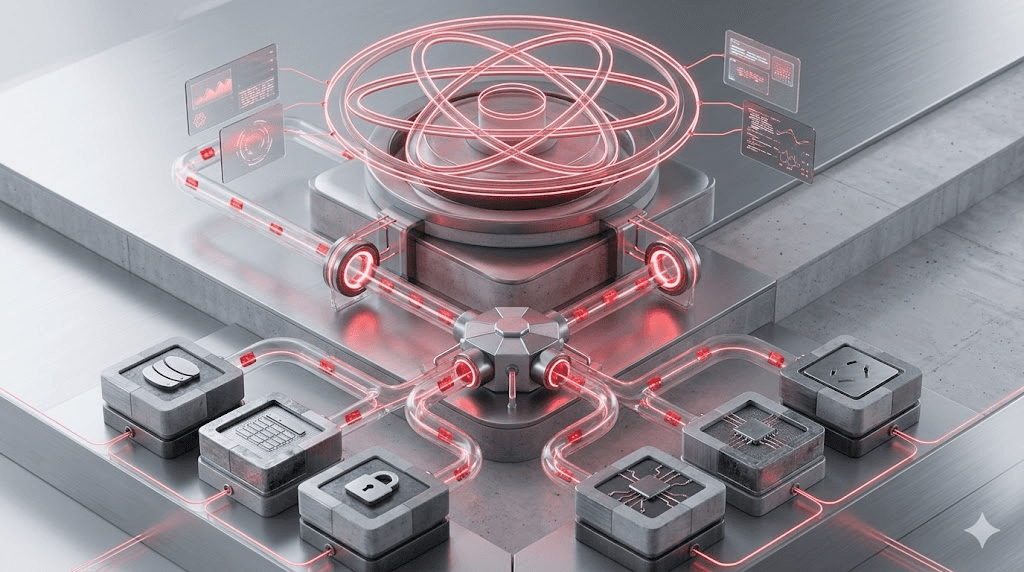
We are experts in React, Next.js, Vue, and modern frontend frameworks. We build fast, scalable storefronts optimized for conversion and performance.
Modern Framework Expertise
Technologies

Headless Commerce Stack

nextjs.svg
react.svg
shopify-hydrogen.svg
graphql.svg
vercel.svg
typescript.svg
Our Headless Commerce Process

From architecture to deployment and growth

We design the right architecture for your needs, build fast and scalable storefronts, and continuously optimize for conversion.

1
Commerce Architecture Design

Commerce Architecture Design

Design your headless architecture: choose commerce backend, frontend framework, CMS, and integration points based on your needs.

2
Frontend Development

Frontend Development

Build custom storefronts with React/Next.js, design for conversion, implement payment/cart systems, and optimize for performance.

3
Backend Integration & Orchestration

Backend Integration & Orchestration

Connect to commerce APIs, content management systems, inventory, fulfillment, and customer systems through structured integrations.

4
Deploy, Monitor, & Optimize

Deploy, Monitor, & Optimize

Deploy to edge networks, monitor performance and uptime, optimize conversion funnels, and continuously improve experiences.

Why UAE Businesses Choose Atlio

Standards we operate by

Headless commerce success requires architecture thinking, modern development expertise, and performance obsession.

01

Shopify Hydrogen Certified

Certified Shopify Hydrogen developers with expertise building next-generation storefronts on Shopify's modern framework.

02

Performance Engineering

Every headless store we build achieves 90+ Lighthouse scores. We implement static generation, edge caching, and optimization for Core Web Vitals.

03

SEO Excellence

Headless storefronts we build rank. Server-side rendering, structured data, technical SEO, and crawlable content structure.

04

Data-Driven Architecture

Implement comprehensive analytics, heatmaps, and conversion tracking. Design experiences based on customer behavior and data.

05

Security & Compliance

API-driven architecture, secure payment handling, PCI DSS compliance, and data protection at every layer.

06

Global Deployment & Scaling

Deploy on edge networks (Vercel, Netlify, CloudFlare) for global performance. Scale independently from commerce backend.

Testimonials

What Our Clients Say

Atlio built our entire platform—web portal, mobile app, and AI-powered features. We launched on time, got to market fast, and scaled without issues. Having one team own the full stack end-to-end made all the difference.

Launched on time, scaled without issues

Darren N. testimonial

Darren N.

Teammate App

What started as a focused engagement evolved into an ongoing partnership. They delivered consistently and adapted as we evolved, ultimately more valuable than the initial delivery.

Built lasting trust through consistent delivery and ongoing commitment

Minu D. testimonial

Minu D.

Sky NZ

They built us a custom inventory and order management system that connects our warehouses across the UAE. Clean interface, works on mobile, and our team actually uses it. Exactly what we needed.

Custom system connecting UAE warehouses

Fatima K. testimonial

Fatima K.

Gulf Global Commerce

They developed a B2B portal where our retailers can place orders, check product availability, and track deliveries. Reduced phone calls to our office significantly and our customers prefer it.

94% on-time delivery, retailers prefer the portal

Shobair H. testimonial

Shobair H.

Alhayat

Our ERP and accounting were a mess of manual workarounds. They built an integration that automated the whole thing. Team saves hours every week now.

Saved 20+ hours per week

David C. testimonial

David C.

Mixup

We've been working with them for over 4 years, they handle our internal systems and support our enterprise clients. Reliable, easy to work with, and they just get things done.

4 years of reliable service

Sarah K. testimonial

Sarah K.

Kaizen Consulting

How We Build Headless Storefronts

From architecture planning through custom development, integration, deployment, and continuous optimization.

Discover & Prototyping

We shape brands through exploration, applying in-depth research to challenge assumptions at every turn. We'll also create a prototype suitable for computers and mobile devices.

Design & Build

Using your feedback on the prototype, we will make any changes before starting the code development work. We use an agile development model with ongoing reviews and iterations.

Deliver

Ongoing testing is critical to agile development to get to the code refinement stage. We then implement the software application and provide your team with training and support.

Headless Commerce, Explained for Decision-Makers

Headless commerce separates what customers see (the storefront) from what runs the business (catalogue, checkout, orders). The storefront becomes a fast, custom application—typically Next.js—talking to the commerce backend through APIs. The question that matters is not whether the architecture is modern; it is whether the flexibility pays for itself in your specific situation.

Frontend engineer reviewing a fast monochrome storefront prototype on laptop and phone simultaneously

When headless genuinely pays off

Headless pays off when specific conditions apply: when storefront speed directly drives revenue at meaningful traffic, when one commerce backend must feed web, apps, and marketplace channels at once, when brand requirements outgrow what any theme allows, or when you need a fully designed Arabic RTL experience rather than an auto-flipped one.

  • Speed is revenue at your scale. Pre-rendered pages from a CDN cut load times sharply, and at meaningful traffic volumes those milliseconds convert—especially on mobile, where most UAE shopping happens.
  • One backend, many channels. Web storefront, iOS and Android apps, and marketplace feeds all draw from the same catalogue and inventory—no duplicate product management.
  • Design beyond the theme ceiling. When brand experience requirements stop fitting any theme, a custom storefront removes the ceiling entirely.
  • Bilingual by design. Full control of RTL layout and Arabic typography per locale, with one backend serving both storefronts.

The honest caveat

Headless costs more to build and to run than a themed store, because you own a custom frontend. For many UAE SMEs the right sequence is to launch on Shopify or WooCommerce, grow until the theme genuinely constrains revenue, and go headless from a position of proven traction—often keeping the same backend. We build both sides of that journey, so the recommendation you get in a free consultation is based on your numbers, not our preference.

Headless Commerce Platforms Compared for UAE Stores

Which platform sits behind the storefront shapes cost, performance, and how easily you can serve the UAE market. There is no universal winner—the right fit depends on where your catalogue lives today and how much control you need. Most of our builds pair a Next.js and React frontend with one of the commerce backends below.

PlatformBest forUAE fit note
Shopify HydrogenBrands already on Shopify wanting a custom React storefrontFastest route to headless; keeps Shopify checkout, tax, and local payment apps. Pairs with our Shopify development work.
Next.js CommerceFully custom frontends on any backendMaximum design and performance control; ideal for Arabic RTL storefronts and local gateways such as Telr, PayTabs, or Network.
MedusaTeams wanting open-source ownershipNo per-transaction platform fees and full data ownership; needs a capable team to host and maintain in-region.
commercetoolsEnterprise, multi-brand, and B2BComposable MACH commerce for large GCC operations; higher cost and complexity, best above serious scale.

Content-heavy stores often add a headless CMS alongside the commerce engine, and every option feeds into the wider e-commerce services we deliver. In practice, migrating to a pre-rendered Next.js storefront typically moves Largest Contentful Paint into the sub-second range on mobile and lifts conversion wherever speed was the bottleneck.

Serving Saudi Arabia and the wider GCC

Headless is a natural fit for regional expansion. One commerce backend can power separate storefronts for the UAE, Saudi Arabia, and the wider GCC—each with its own language, currency, pricing, and delivery rules—without duplicating product data. Brands eyeing Riyadh and Jeddah use this to launch a Saudi-specific Arabic experience on the same catalogue they already run in Dubai. Send us a message to scope a GCC rollout.

Headless commerce solutions in Dubai, end to end

Our headless commerce solutions cover the full path: choosing the platform, building the pre-rendered storefront, wiring payments and logistics, and migrating your catalogue without losing SEO. If you are moving off a legacy store first, our Shopify migration agency team handles the WooCommerce, Magento, or Drupal move so the headless build starts from clean data. Whether you need a single fast UAE storefront or a multi-market headless commerce platform across the GCC, we scope it as a fixed, written proposal.

Frequently Asked Questions

What is headless commerce and why is it better?
Headless commerce decouples your storefront (what customers see) from your commerce backend (inventory, orders, payments). This enables: faster performance through static generation, omnichannel experiences across web/mobile/PWA, independent scaling of frontend and backend, and unlimited customization of customer experiences. It's not "better" universally—it's better for brands that need differentiation, performance, and flexibility.
What's the difference between headless and traditional e-commerce?
Traditional e-commerce (Shopify, WooCommerce) tightly couples frontend and backend—changing the frontend requires staying within platform constraints. Headless separates them—you build your storefront independently, connecting via APIs. This enables more customization, better performance, and true omnichannel support. The tradeoff: headless requires more development and maintenance.
Is headless commerce overkill for a small store?
Often, yes—and we say so. A standard Shopify or WooCommerce store serves most UAE SMEs brilliantly. Headless earns its complexity when storefront performance directly drives revenue at scale, when you need one backend feeding web, app, and marketplace channels, or when design requirements outgrow what themes allow. If that is not you yet, we will recommend the simpler build.
Is Shopify considered headless commerce?
Standard Shopify is not headless—theme and storefront are coupled to the platform. Shopify becomes part of a headless setup only when you build a separate frontend (typically with Shopify Hydrogen or a custom Next.js storefront) that talks to Shopify purely through its Storefront API, keeping Shopify as the commerce backend while the presentation layer is fully custom.
Should we use Shopify Hydrogen for headless?
Shopify Hydrogen is excellent if you're already on Shopify and want to build custom storefronts. It provides React framework, optimization tools, and Shopify API integration out of the box. However, if you want complete freedom, Next.js or custom frameworks offer more flexibility. We can help determine what's best for your needs.
What commerce backend should we use for headless?
Common options: Shopify for managed commerce with full feature set, WooCommerce for WordPress integration and customization, custom-built backends for complete control, or modern commerce platforms like Medusa or BigCommerce APIs. We recommend based on your requirements, budget, and long-term vision.
Which headless commerce platform fits UAE stores best?
It depends on where your catalogue lives and how much control you need. Shopify Hydrogen is the fastest route if you are already on Shopify and want a custom React storefront while keeping Shopify checkout. Next.js Commerce gives maximum design and performance control on any backend, which suits Arabic RTL storefronts and local gateways like Telr or PayTabs. Medusa offers open-source ownership with no platform transaction fees, and commercetools suits enterprise, multi-brand, and B2B operations across the GCC. We recommend the right fit after reviewing your catalogue, channels, and budget.
How does a framework like Medusa compare to using Shopify or Wix?
Medusa (paired with a Next.js frontend) gives you a fully open-source, self-hosted commerce engine — no platform fees, complete control over the data model, but you own the infrastructure and updates. Shopify and Wix are managed platforms: faster to launch, less to maintain, but you work within their constraints and fee structure. Open-source headless earns its complexity when your commerce logic is genuinely custom; for most UAE stores, a managed platform with a headless frontend (Shopify Hydrogen) hits the better cost-to-control balance.
What does a headless build cost compared to a themed store?
More—that is the honest answer, because you are building a custom frontend instead of configuring a theme. The drivers are storefront scope, the number of channels it feeds, and integration depth with your backend. The return comes through conversion gains from speed and UX at meaningful traffic volumes. We model that trade-off with you in a free consultation before recommending either path.
How long does a headless commerce build take?
A typical headless storefront plus commerce integration runs 8-12 weeks, depending on catalogue size, the number of channels it feeds, and how deep the backend integrations go. Migrating from an existing themed store adds time for data mapping and 301 redirect planning. We scope a realistic timeline with you in a free consultation before any build starts.
Can we migrate our existing e-commerce to headless?
Yes. We can migrate from Shopify, WooCommerce, or other platforms to headless architecture. We preserve product data, customer records, and orders. We also implement 301 redirects to maintain SEO rankings. Migration timeline depends on catalog size and complexity.
How does headless commerce affect SEO and page speed?
Done right, dramatically for the better. A Next.js storefront serves pre-rendered pages from a CDN, so product pages load near-instantly and Core Web Vitals scores climb—both direct ranking inputs. The discipline is in doing the commerce parts correctly: canonical URLs, structured data for products, and proper 301 mapping if you are migrating from a themed store.
Can a headless storefront be bilingual English-Arabic?
Yes—and headless is arguably the best architecture for it. The storefront fully controls layout direction, typography, and content per locale, so the Arabic experience is designed rather than auto-flipped. One commerce backend serves both language storefronts with shared inventory and pricing.

Ready to Transform Your Business?

Book a free 30-minute consultation. We'll discuss your challenges, explore opportunities for automation, and show you exactly how we can help.

© 2026 Atlio All Rights Reserved